SDG 2 Zero Hunger
2.2.1 Campus food waste tracking
Phetchaburi Rajabhat University integrates food waste management as part of its Green University initiative to mitigate climate change through systematic organic waste reduction. Efficient food waste management helps lower greenhouse gas emissions – a major cause of global warming. The university therefore promotes waste segregation at source among staff, students, food vendors, and other campus facilities, encouraging the reuse of organic waste for composting, organic fertilizer production, and animal feed.
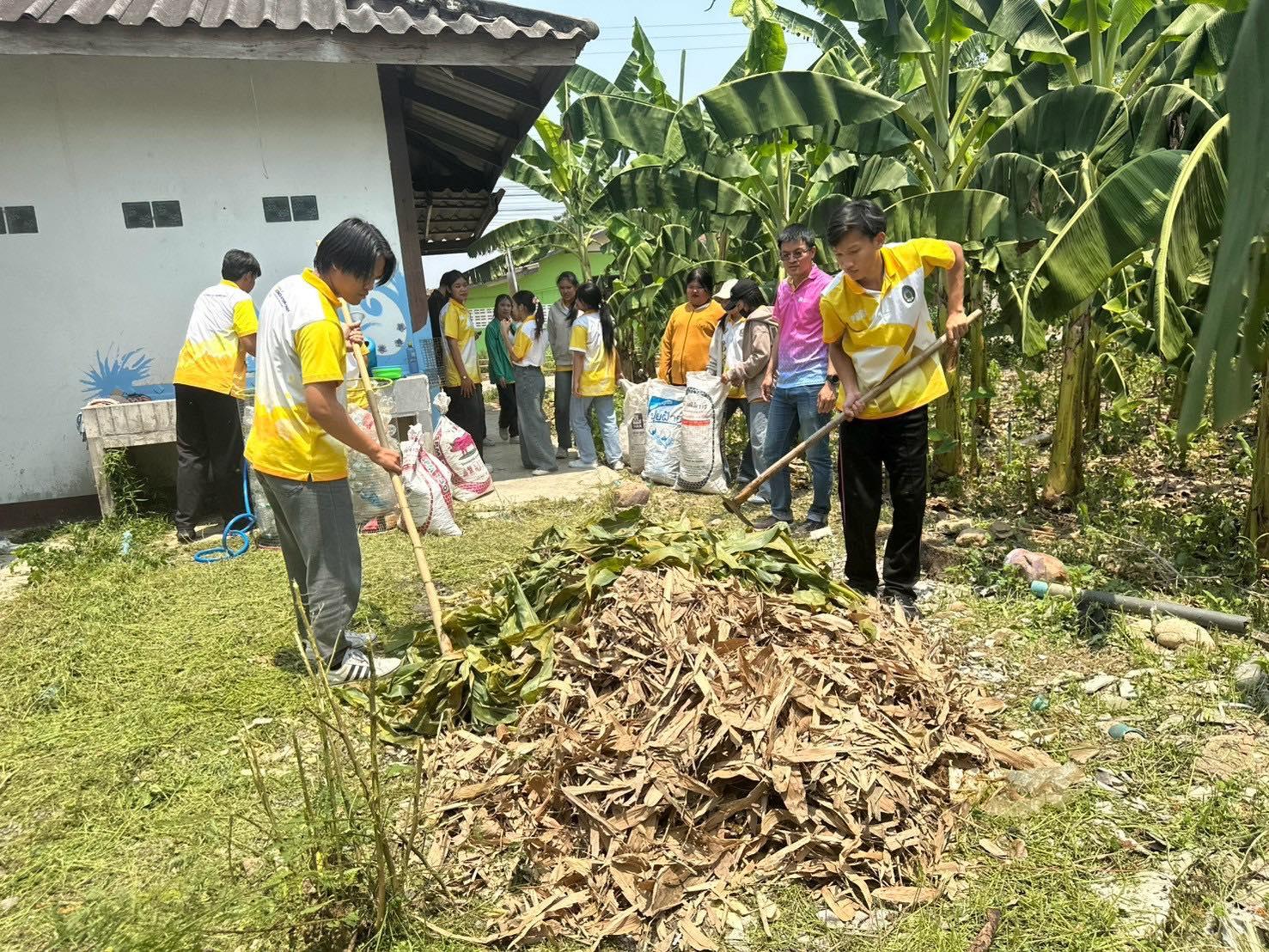
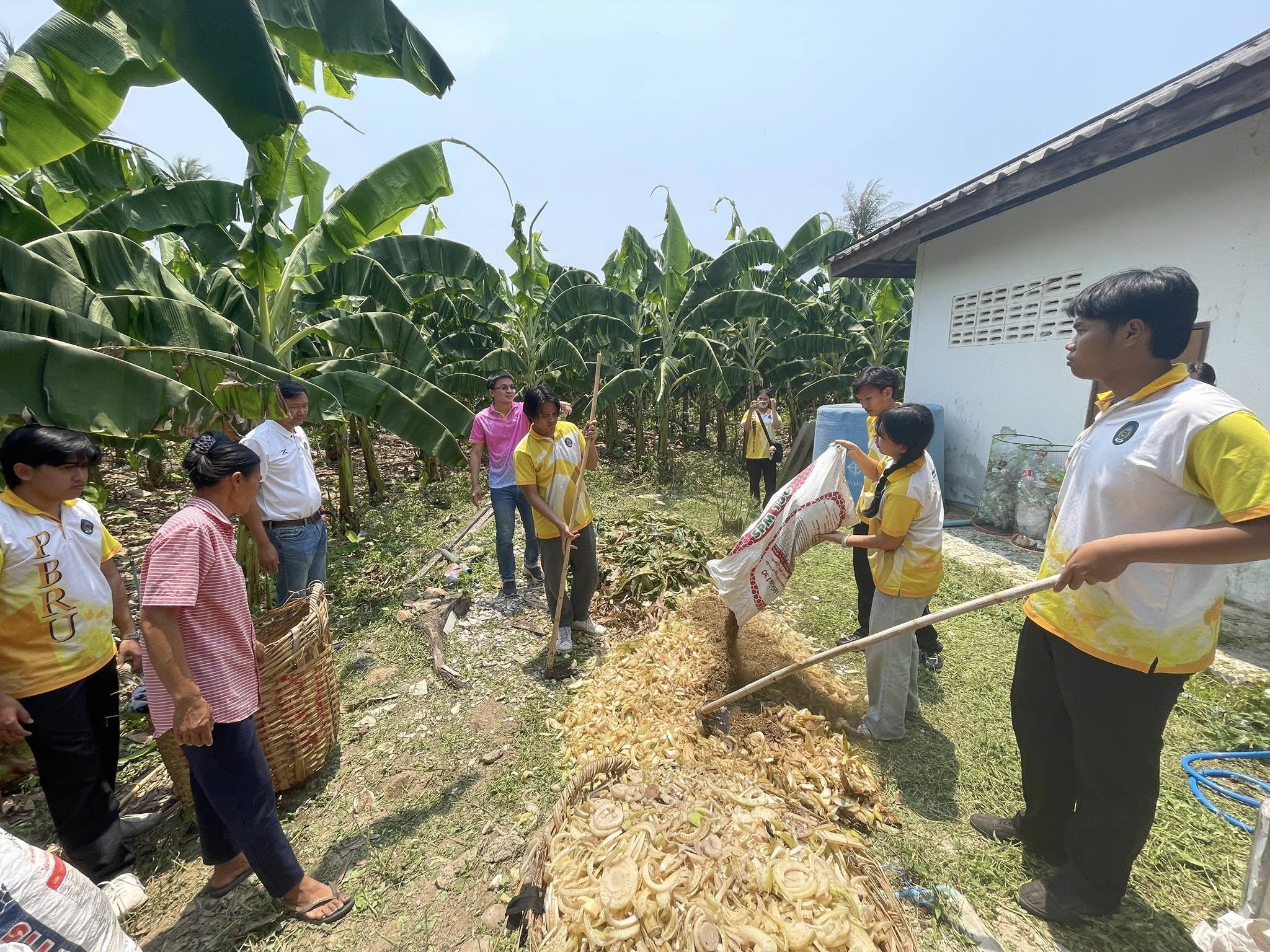
Phetchaburi Rajabhat University operates several food-service facilities, including the Student Cafeteria, Centennial Kitchen, The PBRU Heritage Hotel and Tourism Training Center, and the Phetchaburi International Culinary School, which serve students, personnel, and the public. A comprehensive food-waste-management system has been adopted to handle surplus and discarded food from these operations – covering unused ingredients, unsold items, substandard products, and food waste generated from culinary-training activities. The programme aims to minimize waste through proper disposal, reuse, and food donation, aligning with sustainability and community-support objectives.
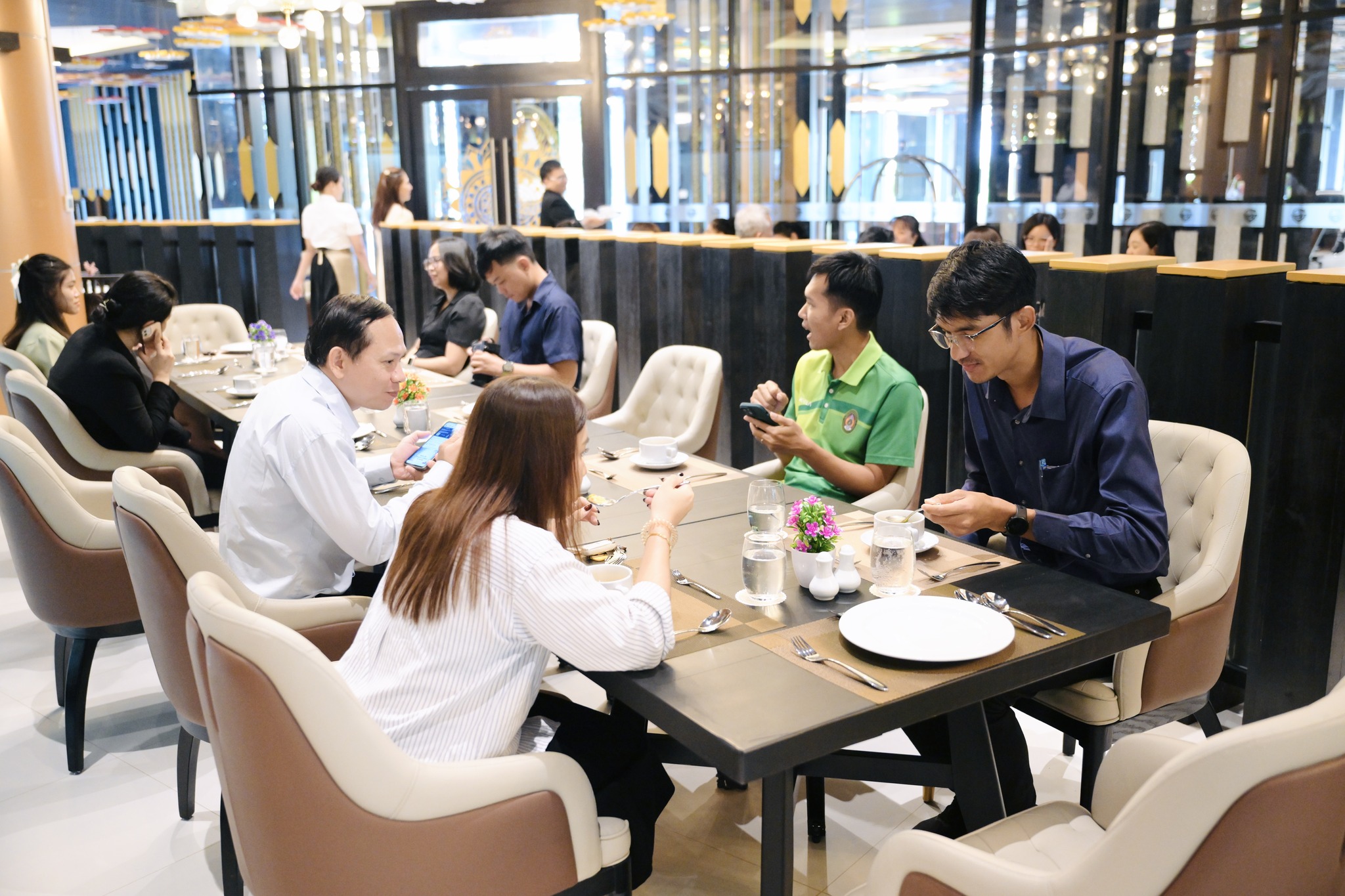
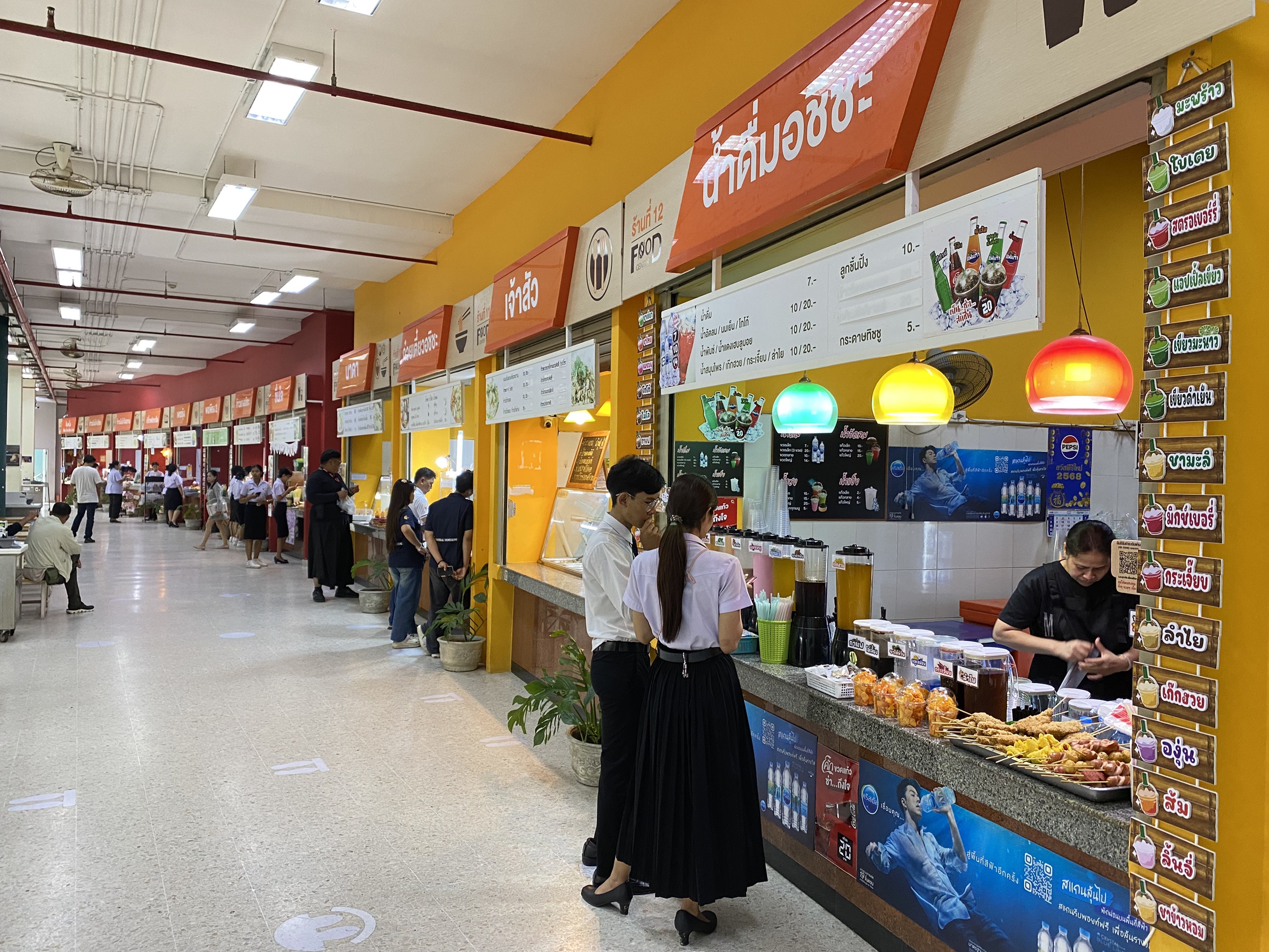
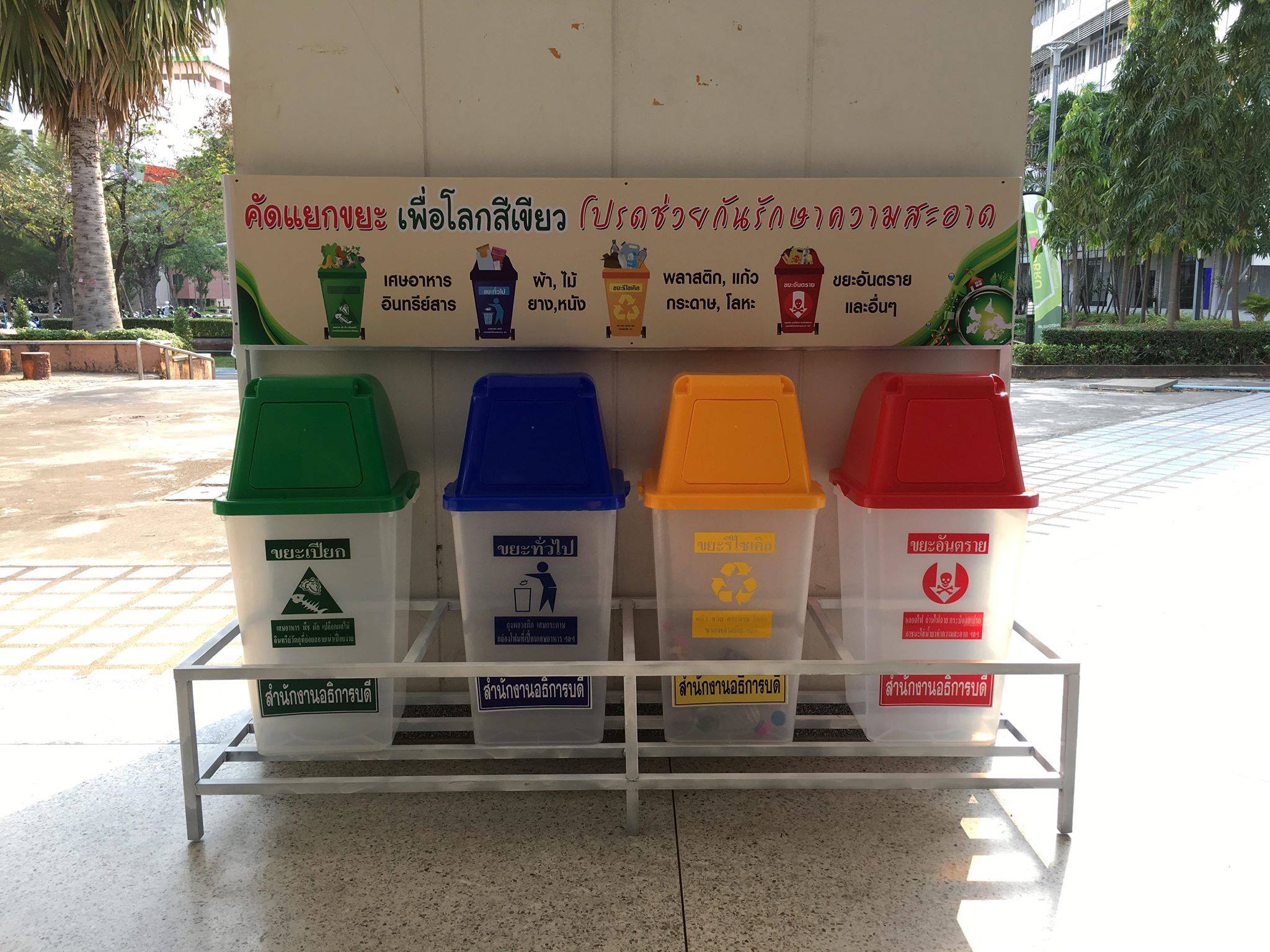
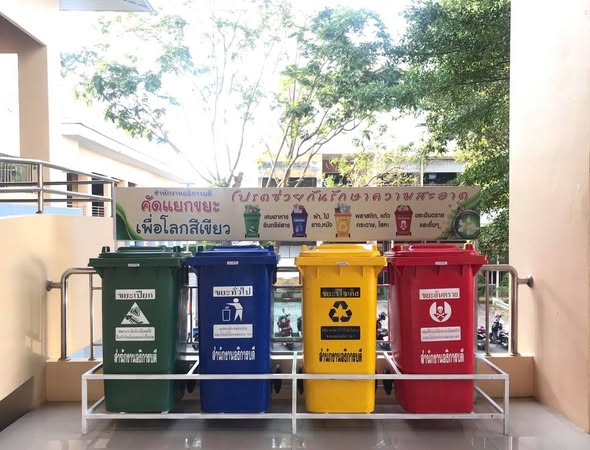
In 2024, Phetchaburi Rajabhat University installed 60-kilogram food-waste-separation bins at dish-washing stations. The total collected food waste amounted to 5,265 kilograms, averaging 14.54 kilograms per day, and was reused for feeding livestock such as pigs and fish. In addition, Phetchaburi Rajabhat University implemented a color-coded waste-segregation system-blue for general waste, red for hazardous waste, yellow for recyclables, and green for food/organic waste-to instill responsibility and awareness among students and staff, fostering a sustainable campus culture.