Phetchaburi Rajabhat University actively engages with local communities through outreach programmes designed to enhance food security, sustainable resource use, and income generation. These initiatives focus on supporting local farmers, entrepreneurs, and food producers in Phetchaburi and Prachuap Khiri Khan Provinces by providing practical knowledge, innovation, and capacity building for sustainable livelihoods.
Key activities include:
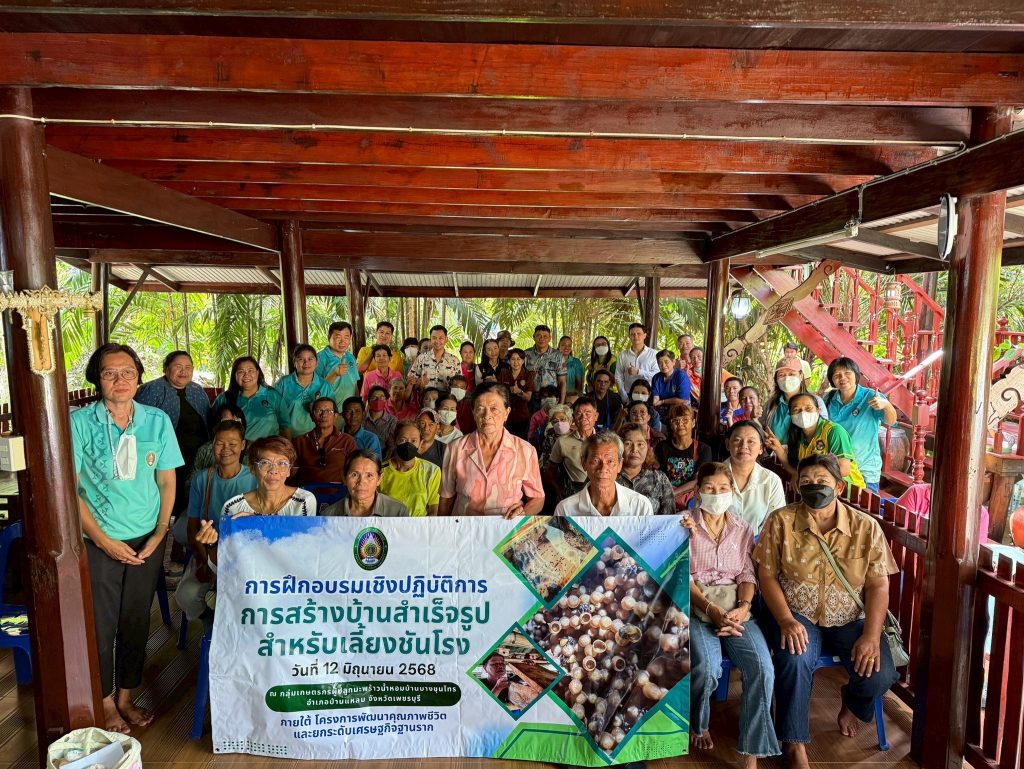
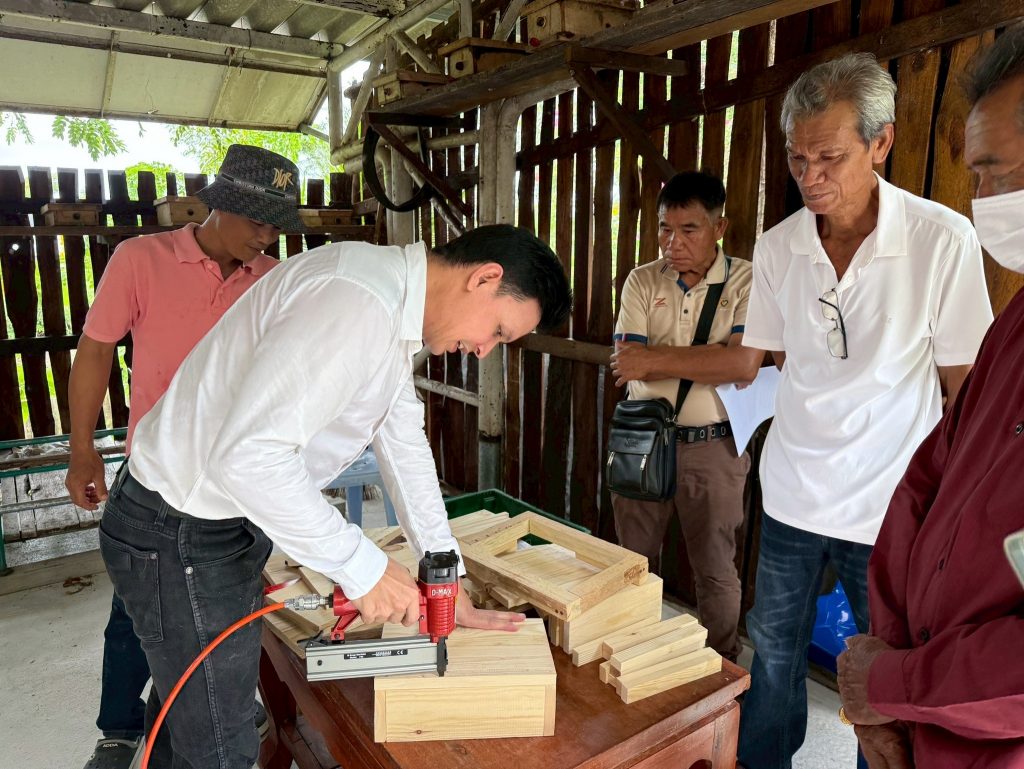
1. Faculty of Agricultural Technology organized a workshop on constructing modular stingless bee houses under the project “Quality of Life and Grassroots Economic Development”. The initiative aimed to increase the productivity of aromatic coconut farmers and improve their income through integrated beekeeping for pollination and honey production
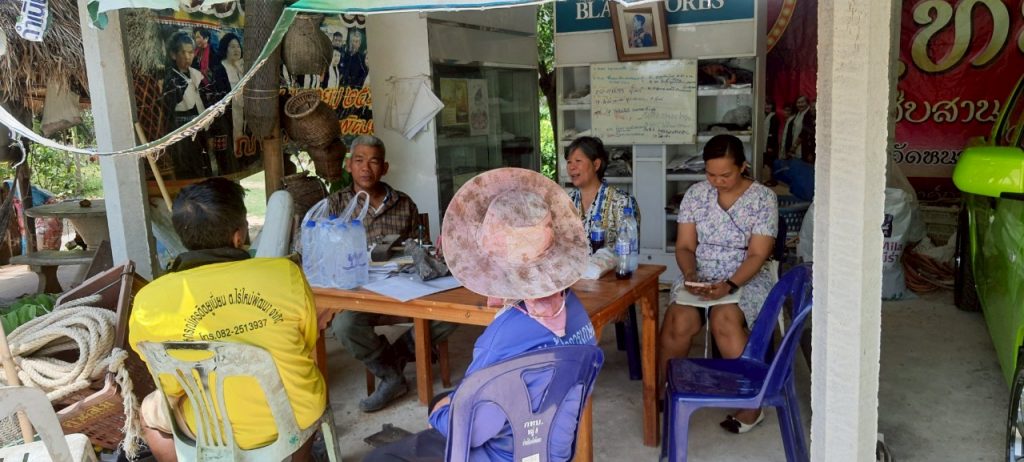
2. Faculty of Education implemented a community-based development project in Rai Mai Pattana Subdistrict, Cha-am District, Phetchaburi Province. The project involved local surveys, stakeholder consultations, and community participation to design activities that support occupational development, product processing, and skill enhancement for sustainable income generation.
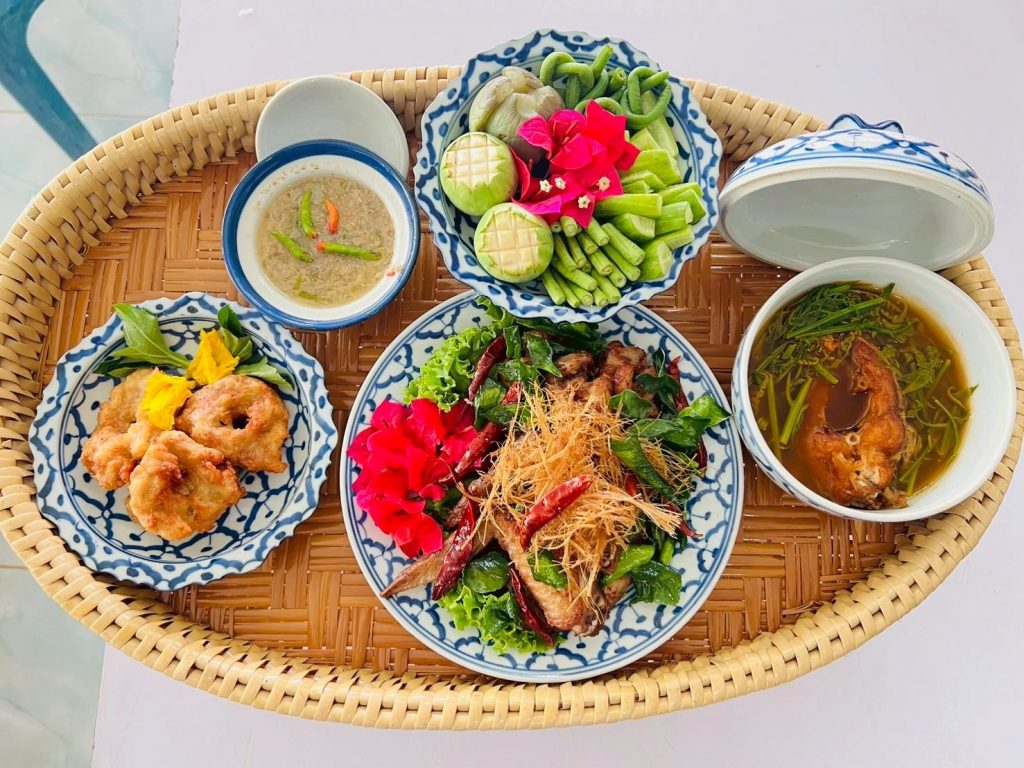
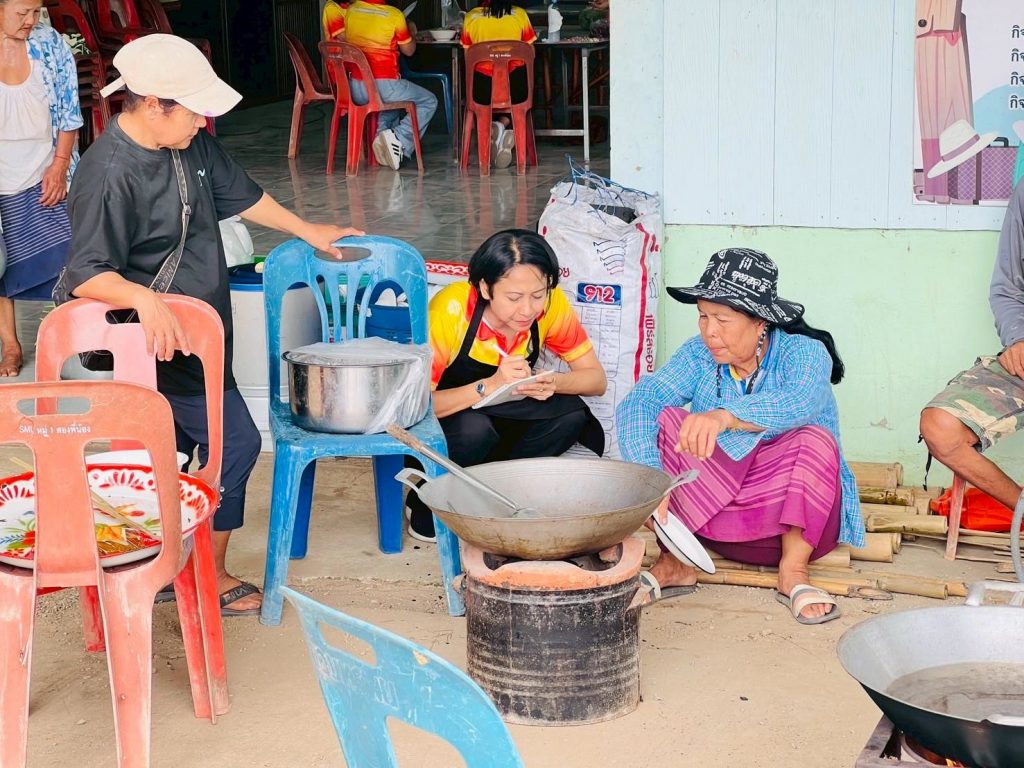
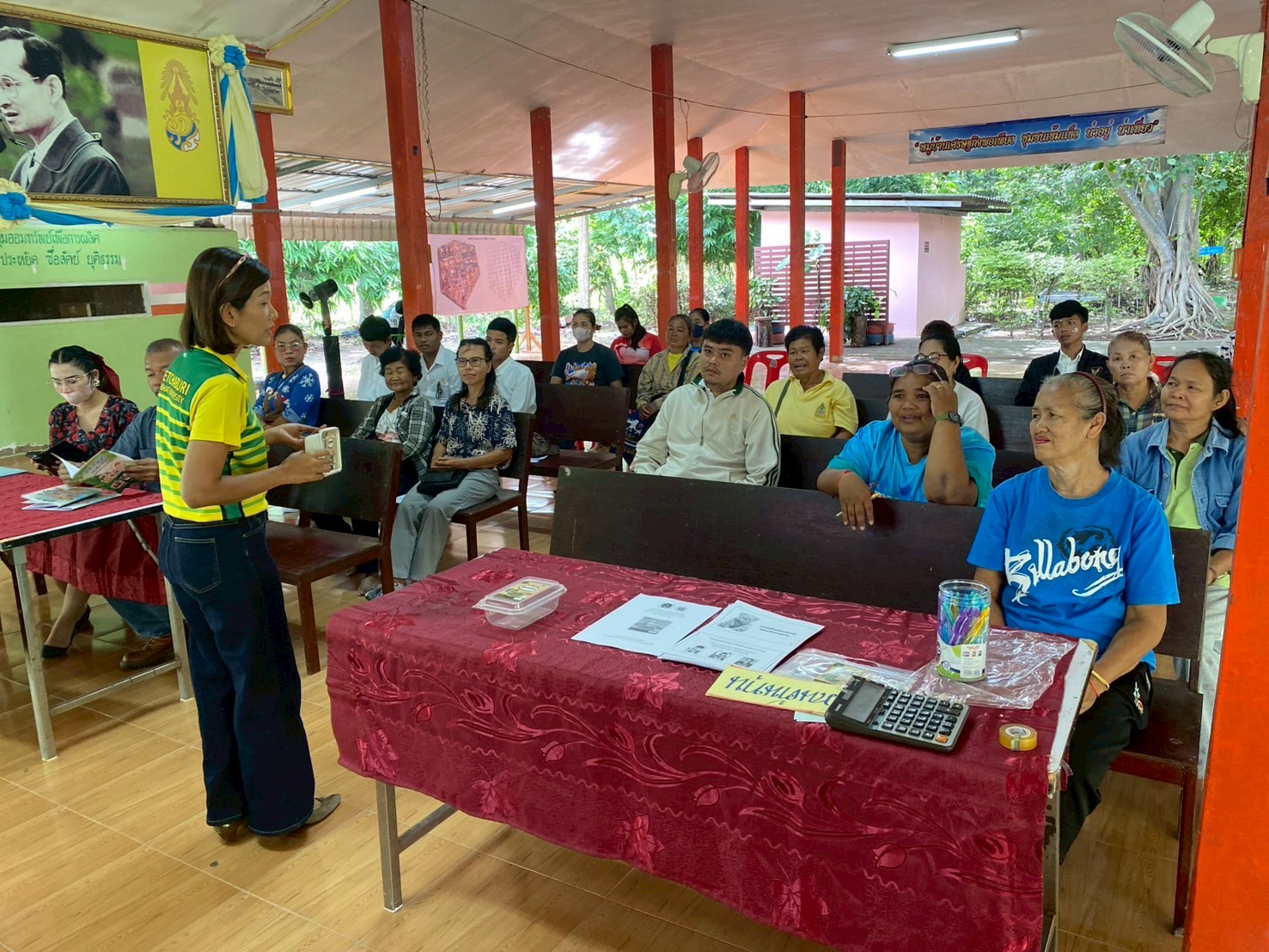
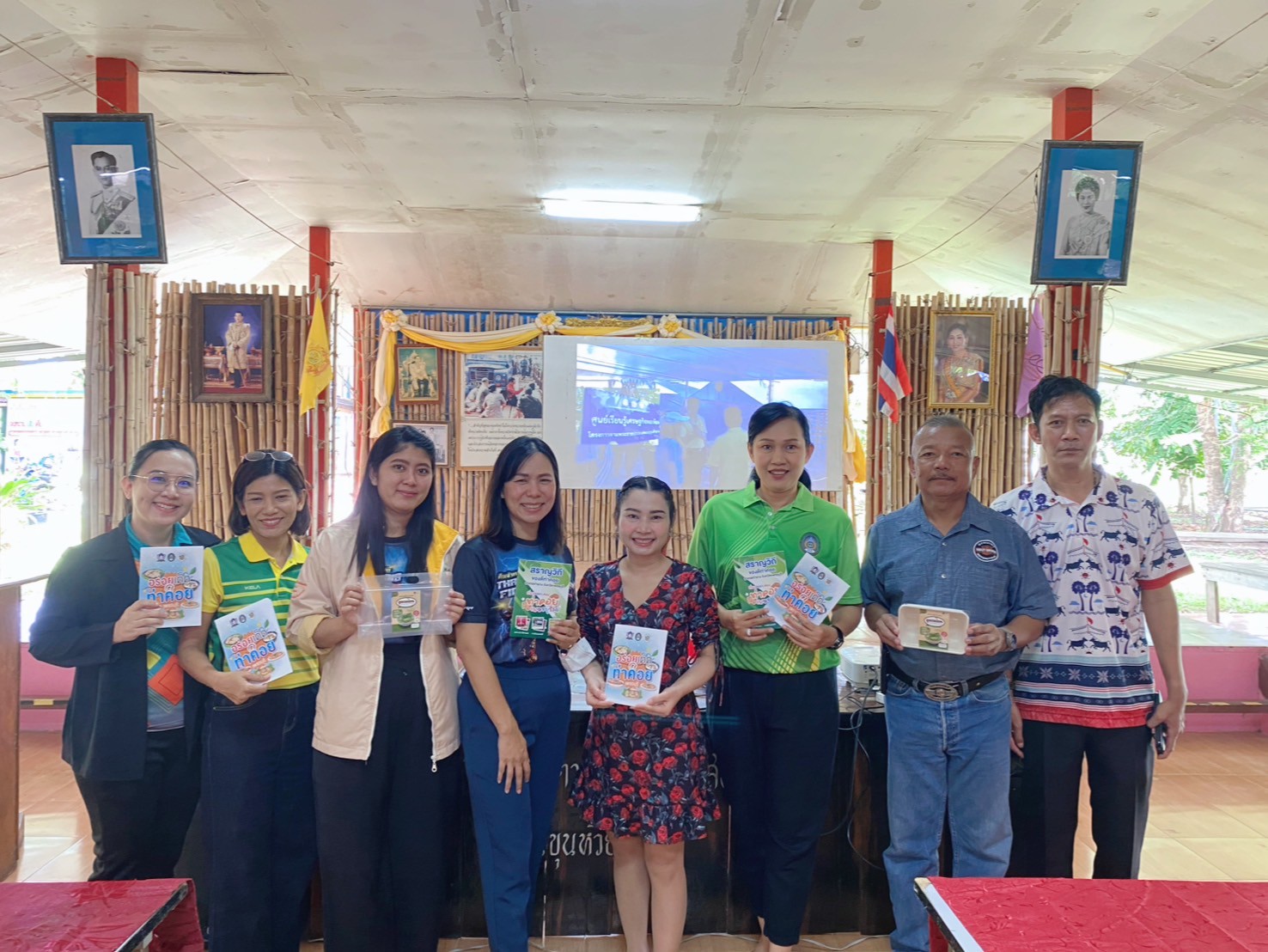
3. Faculty of Science and Technology conducted a culinary product development programme in Song Phi Nong Subdistrict, Kaeng Krachan District, featuring four local dishes—coconut chili paste, sour curry with fern and tilapia, fried chicken with fern, and mashed banana dessert—to promote culinary tourism and local entrepreneurship.
4. The Institute for Research and Promotion of Arts and Culture implemented a project titled “Sustainable Community Product Development for Online Platforms” in Ban Pak Khlong Community, Bang Saphan Noi District, and Phong Prasat Subdistrict, Bang Saphan District, Prachuap Khiri Khan Province. The initiative gathered community feedback to upgrade and commercialize local products, improving quality standards and expanding market access through online channels.
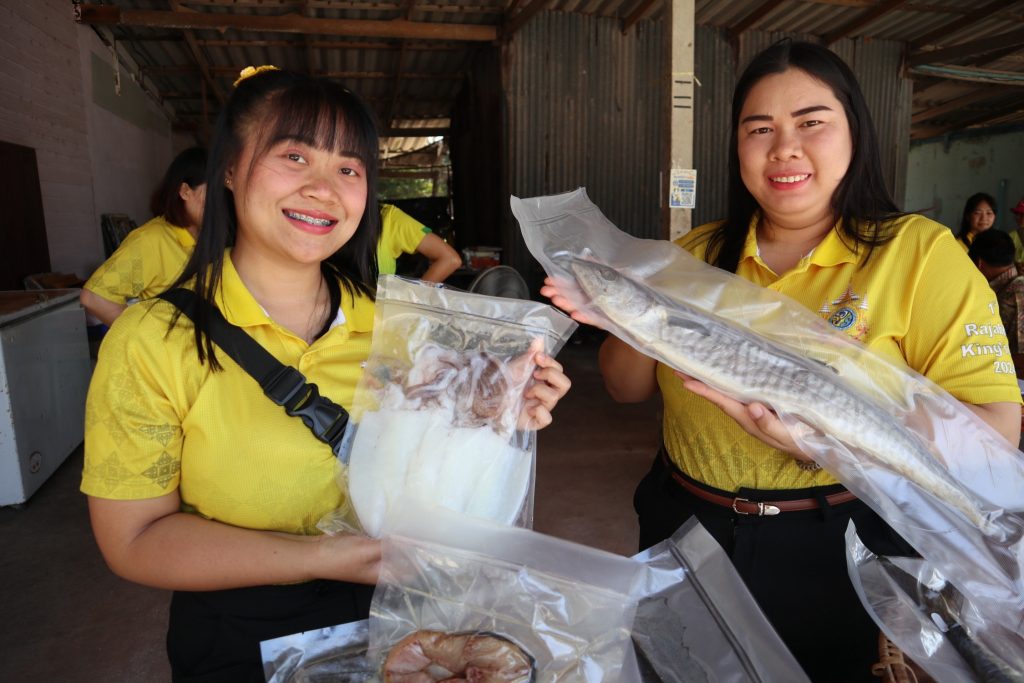
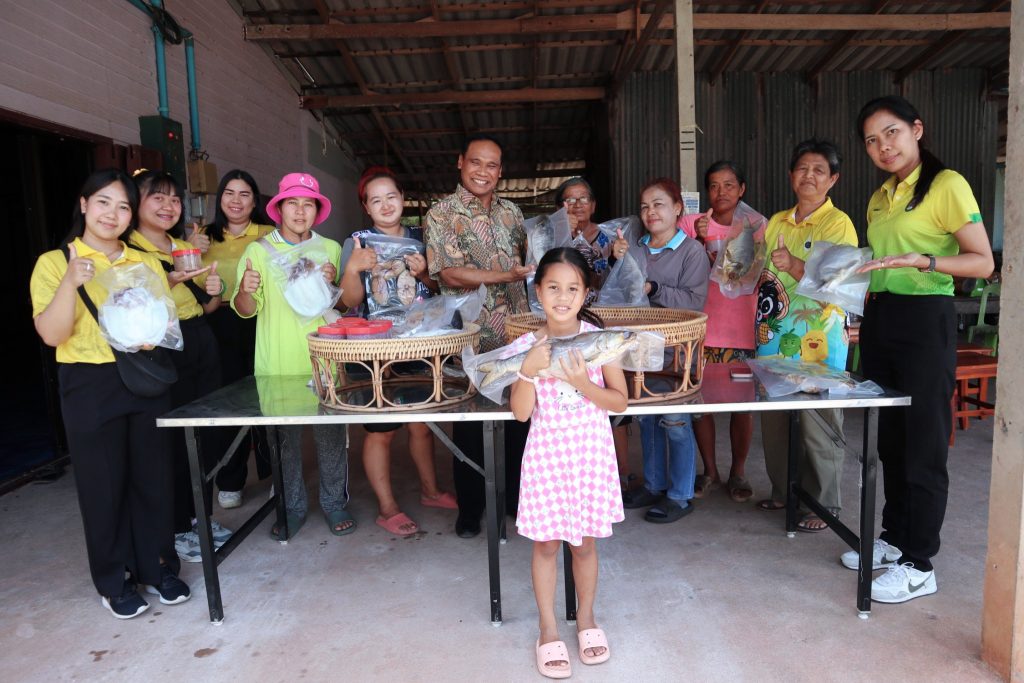
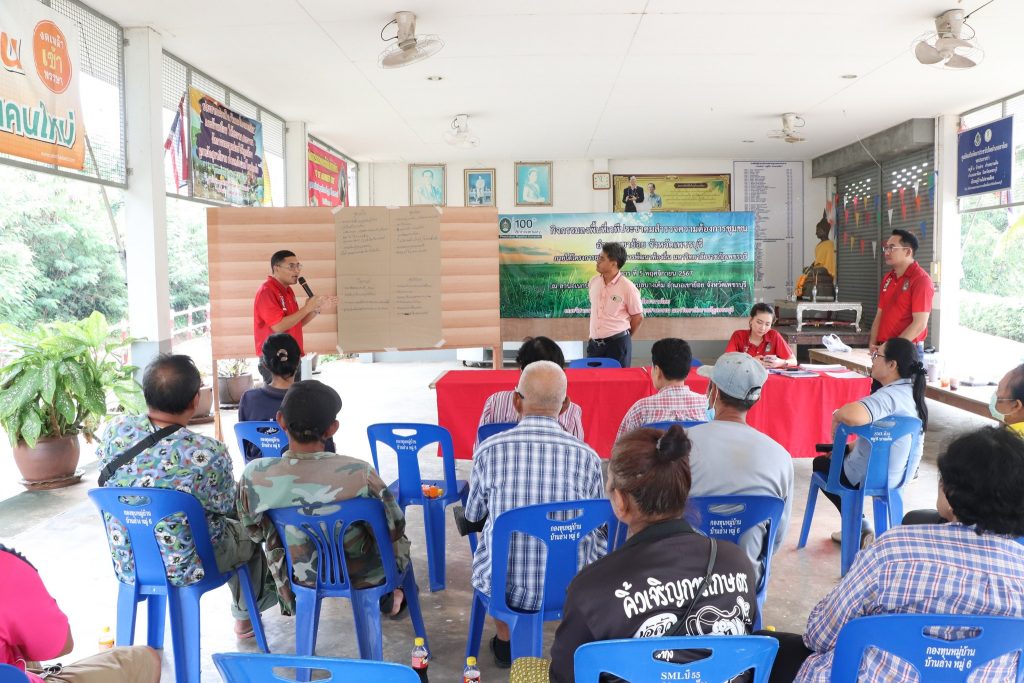
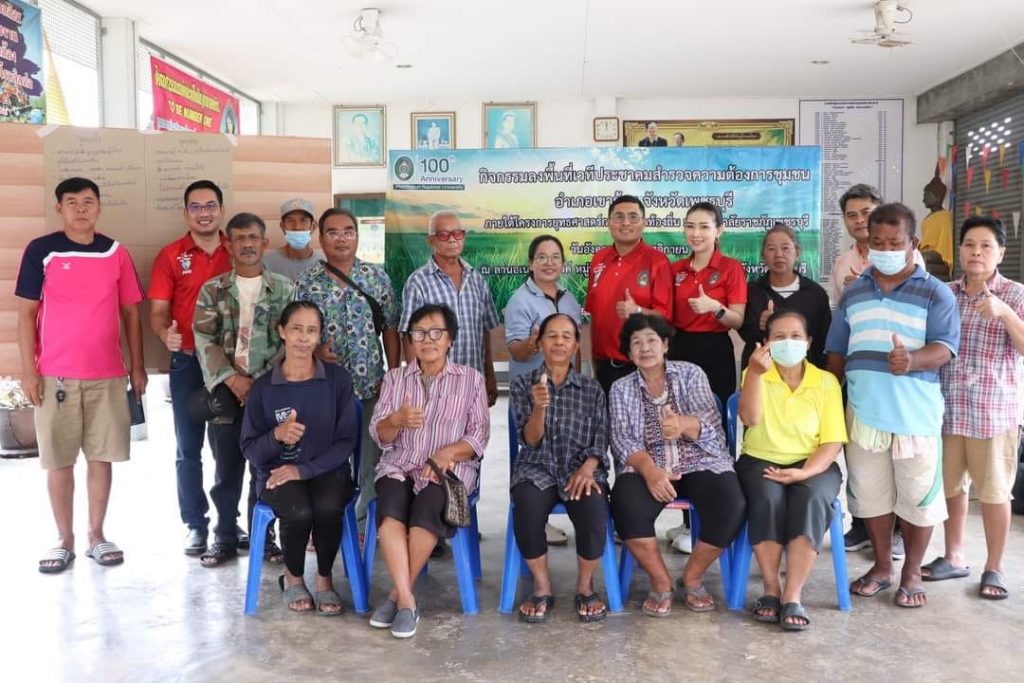
5. Faculty of Engineering and Industrial Technology held a public forum with the Khao Yoi Gourami Fish Processing Enterprise Group to explore renewable energy solutions for fish processing industries. The project assessed community needs and promoted technology-driven innovation to increase productivity and reduce costs, strengthening local economic sustainability.
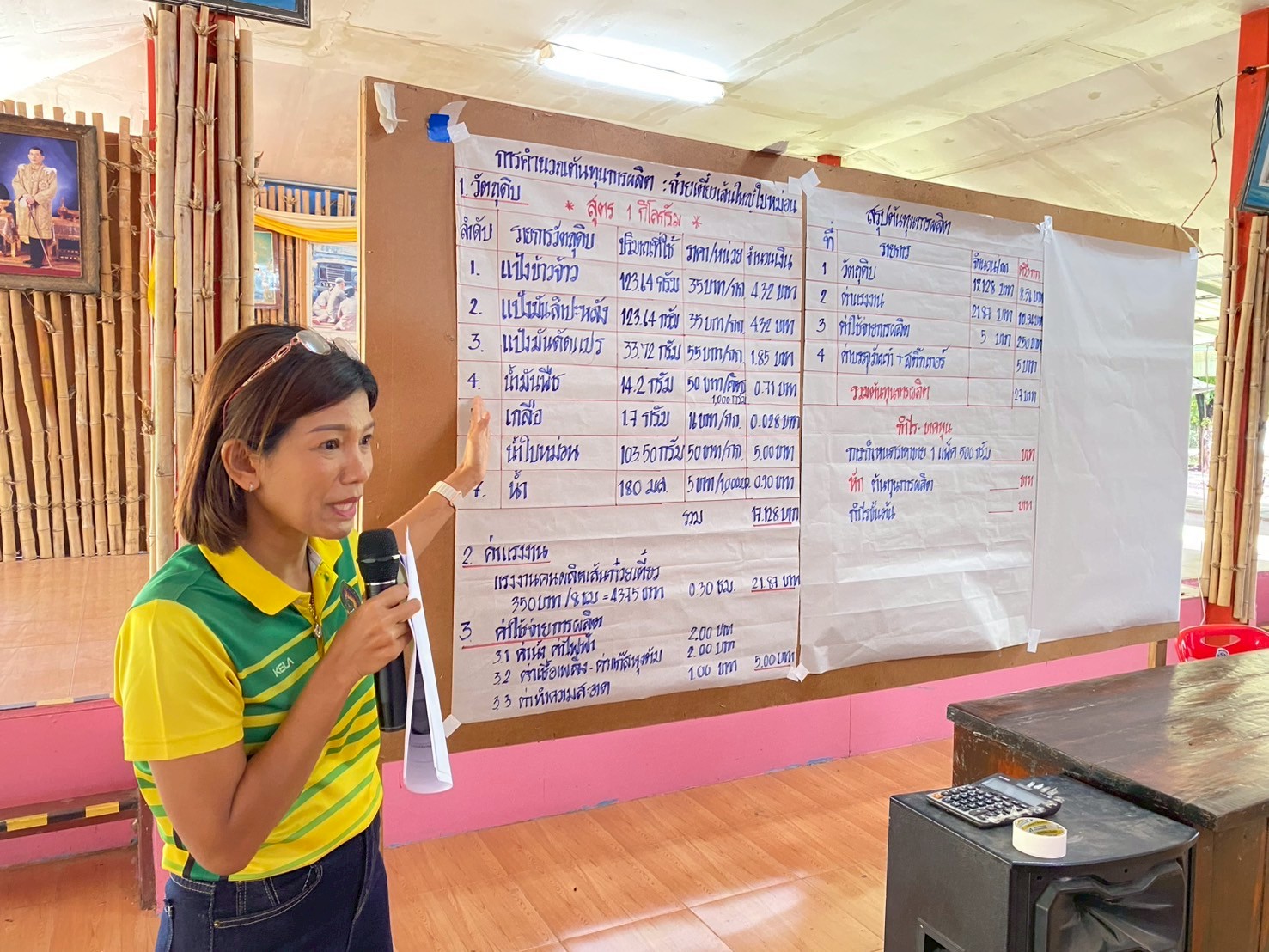
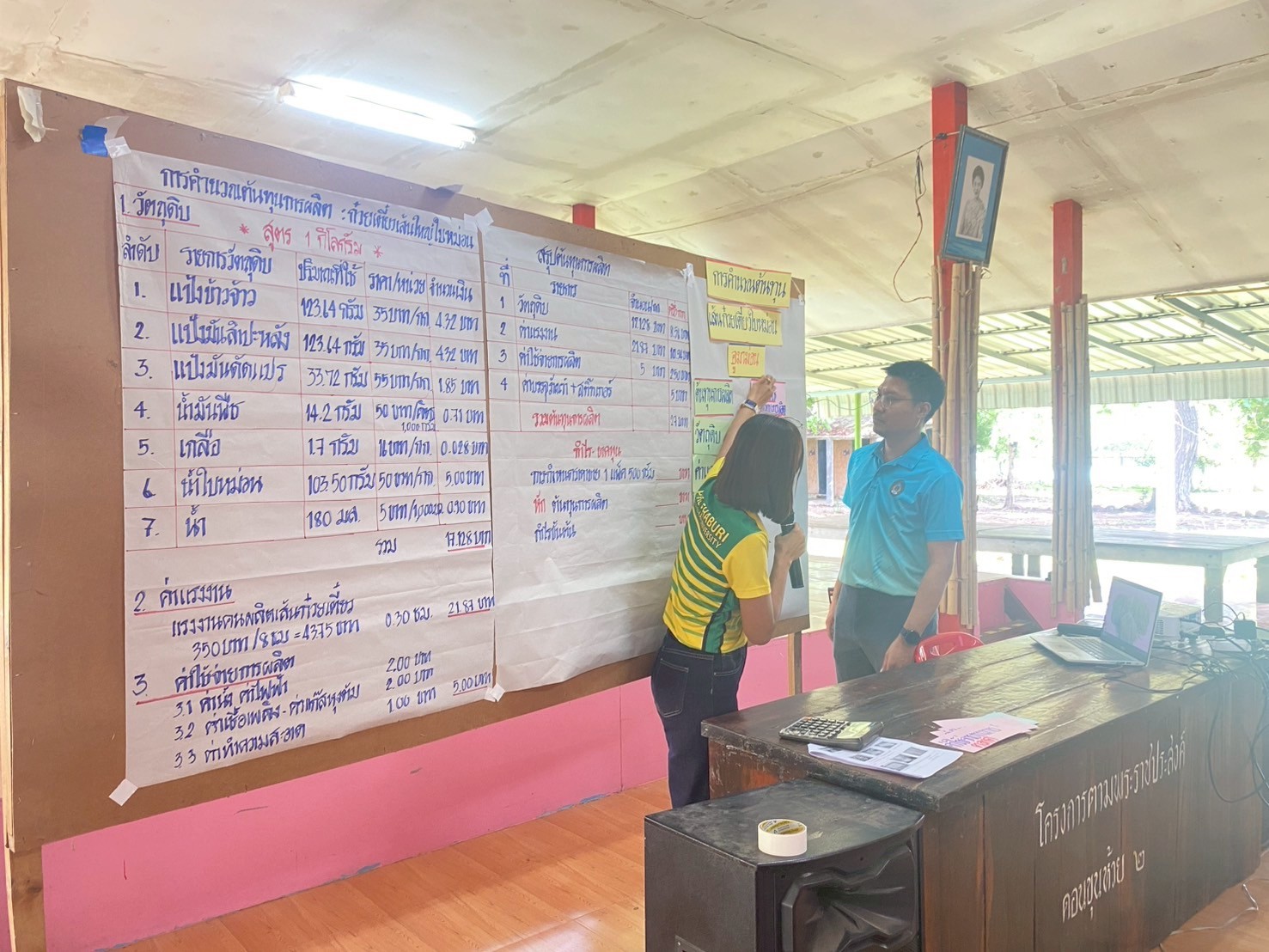
6. Faculty of Management Science organized the project “Value-Added Community Products and Safe Agricultural Promotion in Tha Khoi Subdistrict, Tha Yang District, Phetchaburi Province.” The project focused on developing new agricultural-based products, adding value through innovation, and improving both online and offline marketing channels, enabling community products to reach commercial markets sustainably.
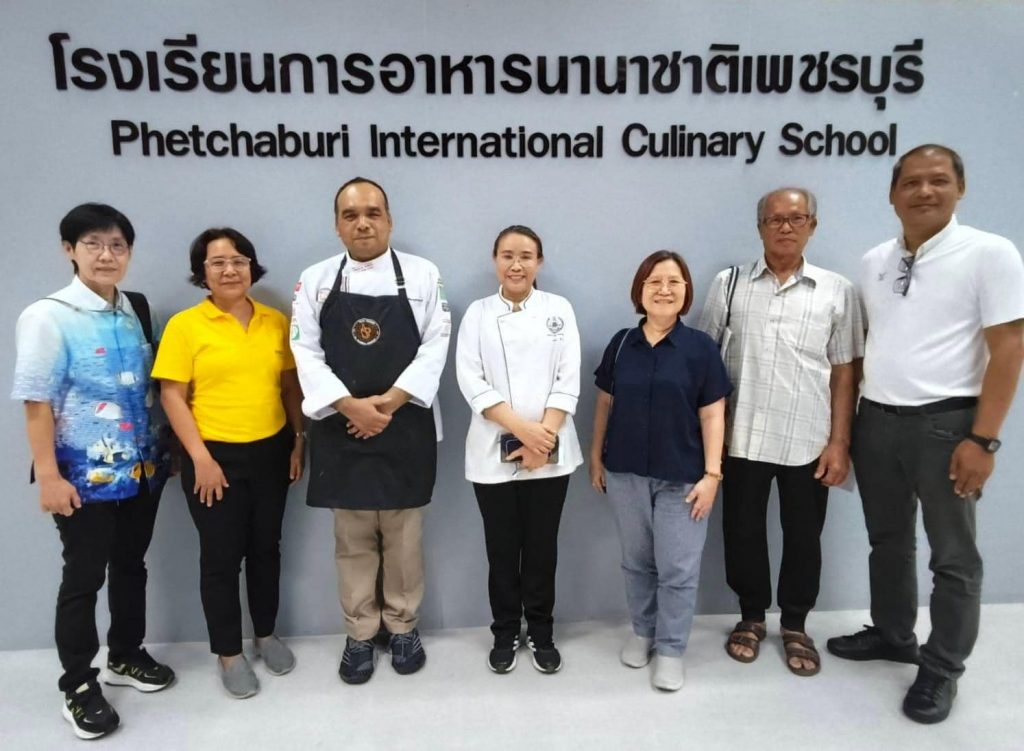
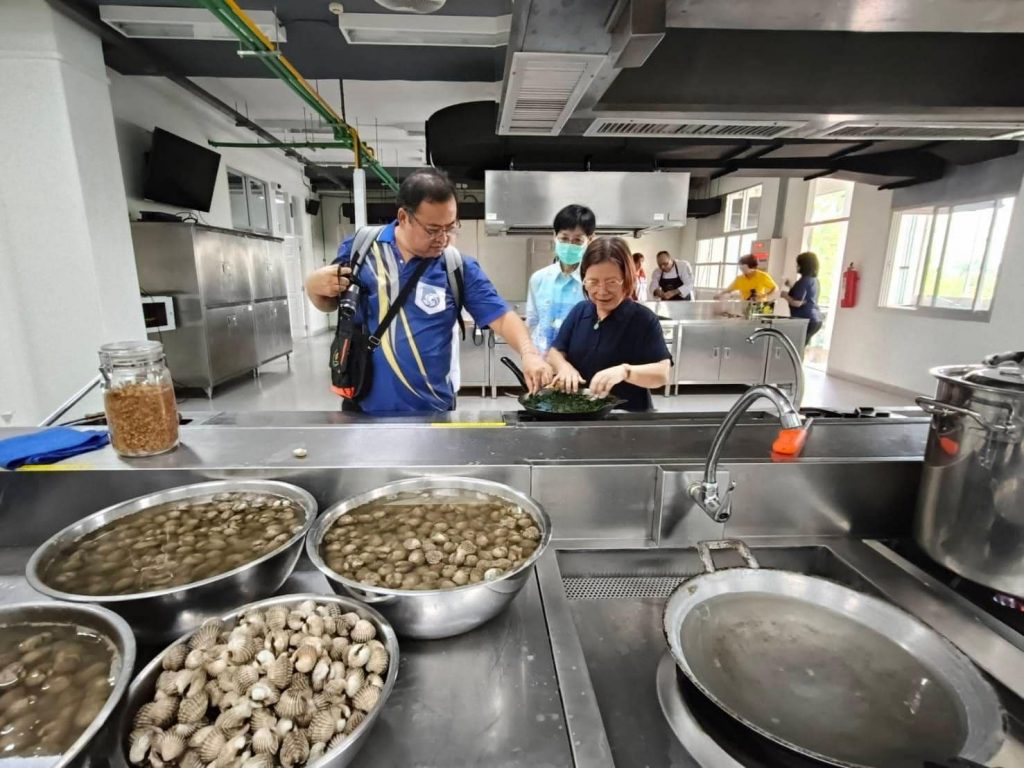
7. The Phetchaburi International Culinary School hosted the event “Processing Phetchaburi Seafood Products” to promote creative food innovation using local raw materials, specifically cockles. Students and food entrepreneurs developed five new recipes—Japanese-style seaweed salad with cockles, cream of cockle soup, seaweed pasta with saffron sauce, clay pot rice with cockles, and lobster bisque with cockles—with feedback from private sector partners, shellfish farmers, and restaurant owners. The activity helped improve product quality and sustainability in the province’s marine aquaculture sector.
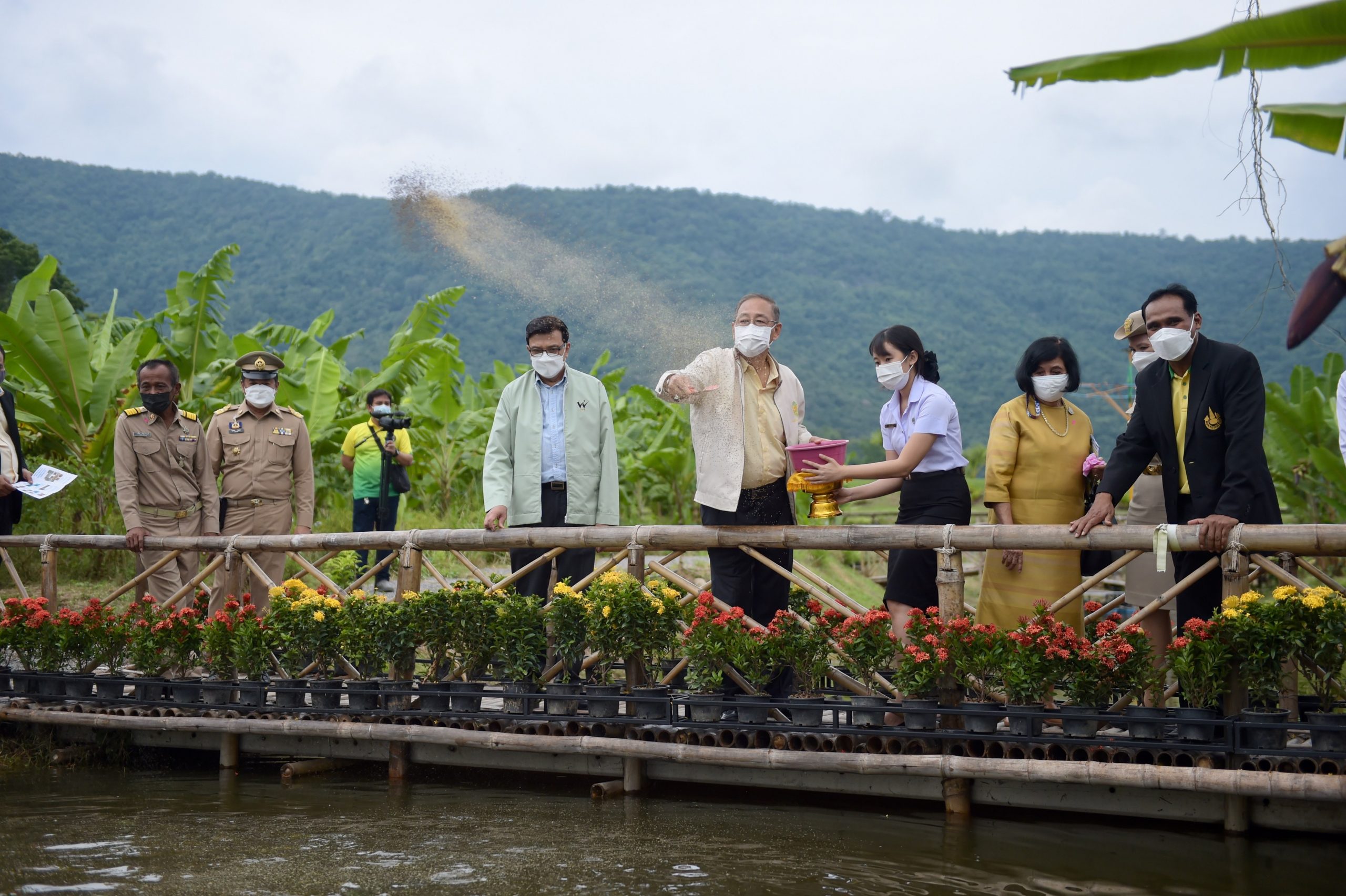
In addition, Phetchaburi Rajabhat University has implemented a policy to develop the Pong Salod area and nearby communities into a learning and technology transfer hub under the name “Integrated Agricultural Learning Center based on the King’s Philosophy.” The initiative aims to enhance the quality of life in the community, strengthen local knowledge, and promote sustainable agriculture through innovation and practical learning.
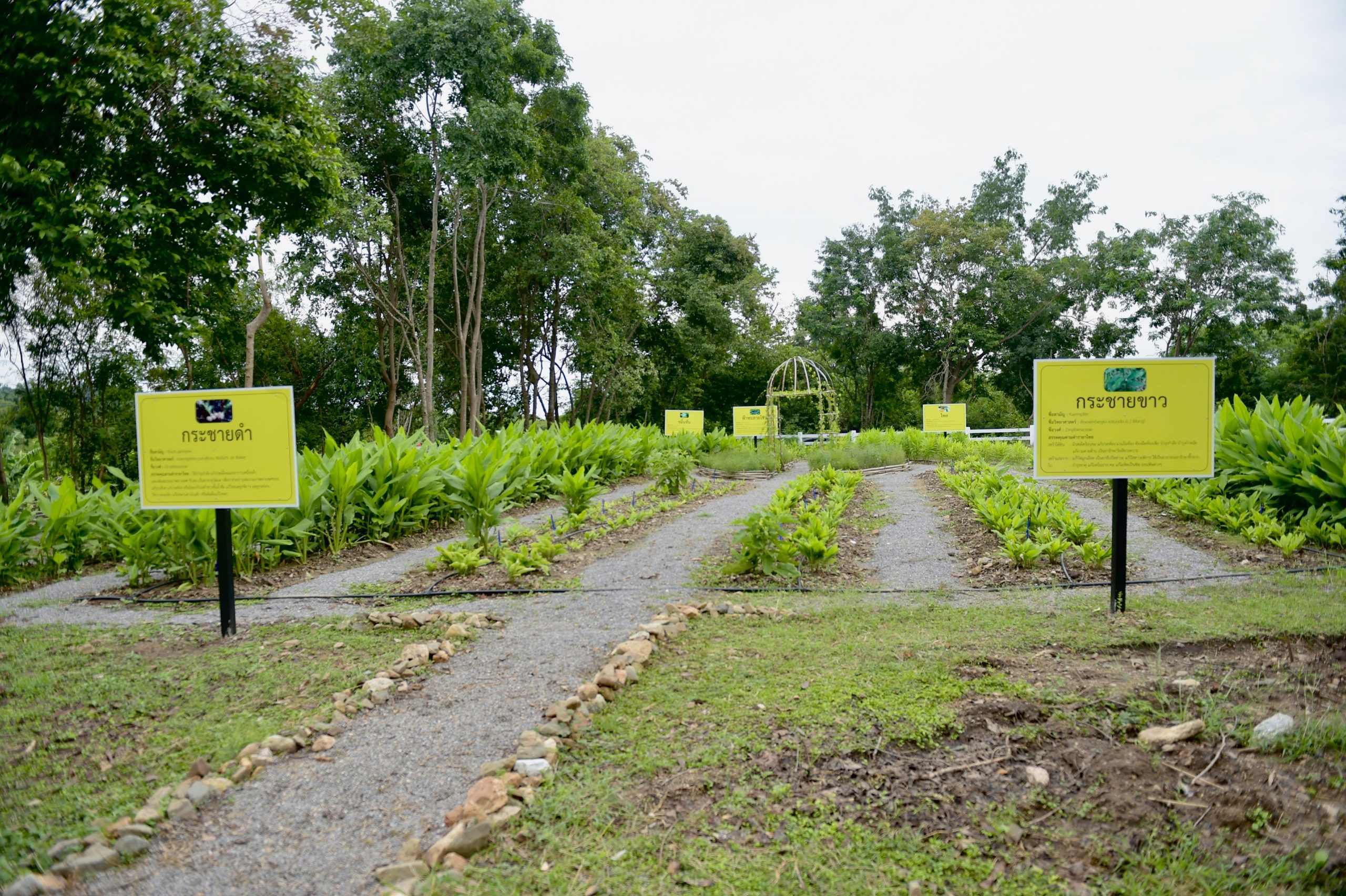
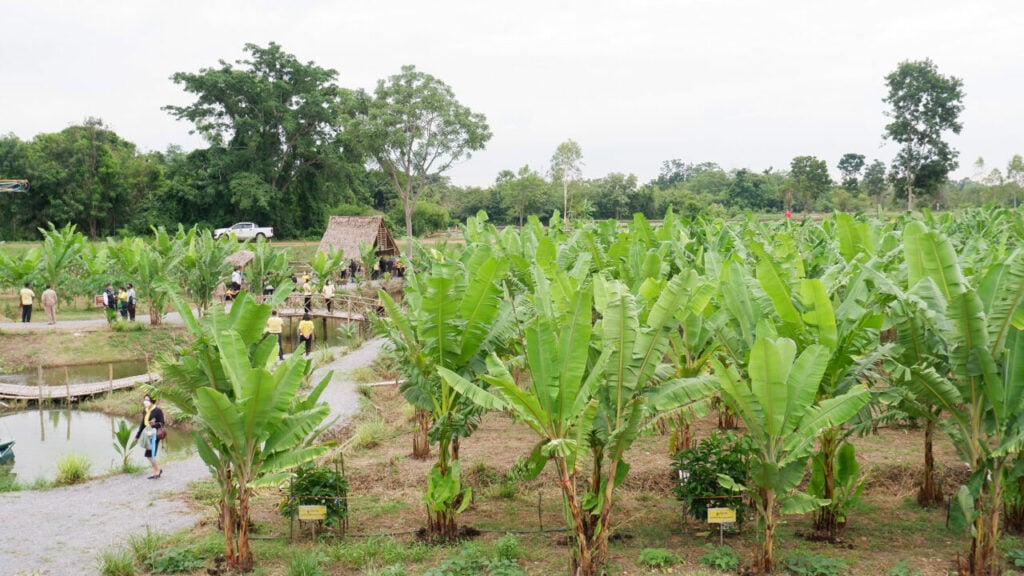
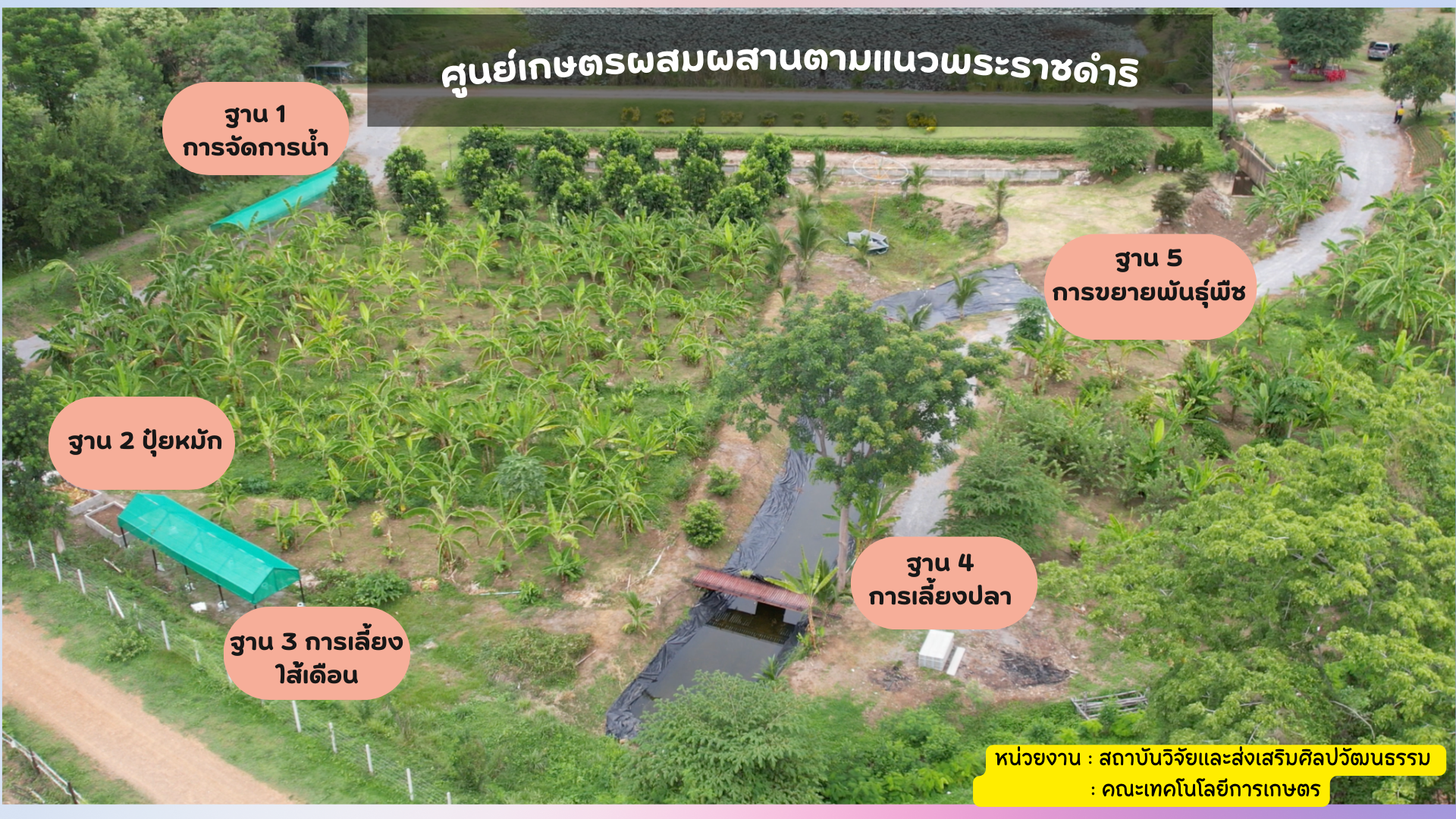
The center covers an area of 5.5 rai (approximately 0.88 hectares) and integrates renewable energy technologies into integrated farming systems. The site features 27 types of crops, including Hom Thong Banana, Phet Rose Apple, durian, papaya, and medicinal herbs. Knowledge and practices have been organized into five learning stations, as follows:
Water Management Station – Efficient water management using solar-powered smart irrigation systems.
Palm Husk Compost Station – Producing organic fertilizer from toddy palm husks to promote sustainable soil fertility.
Royal Fish Breeding Station – Expanding royally initiated fish species to promote sustainable aquaculture.
Plant Propagation Station – Demonstrating sustainable plant breeding and crop improvement techniques.
“Insects Must Flee” Station – Applying biological pest control methods to manage pests effectively and safely.
In addition to these learning bases, Phetchaburi Rajabhat University has established a community shop that sells food, beverages, and local products. This initiative empowers local residents to produce, process, and market their own products, thereby enhancing economic opportunities, income generation, and community self-reliance.