SDG 2 Zero Hunger

2.5.2 Events for Local Farmers and Food Producers

Phetchaburi Rajabhat University supports farmers, food producers, community enterprises, and local entrepreneurs through knowledge transfer, knowledge exchange, product development, and market opportunity linkages. These activities aim to strengthen production capacity, add value to agricultural products, and enhance the capacity of local food producers. Key activities include
1. “Tasting the New Rice: Hom Phetchaburi” Activity
               The Faculty of Science and Technology, together with local community partners, organized an activity to promote the local rice variety “Hom Chong Sakae or Hom Phetchaburi.” The activity included rice tasting, research and packaging exhibitions, and a discussion on the future of Phetchaburi’s local rice. It also provided opportunities for farmers, community enterprises, and businesses to exchange knowledge and explore opportunities for value addition, market expansion, and business development.

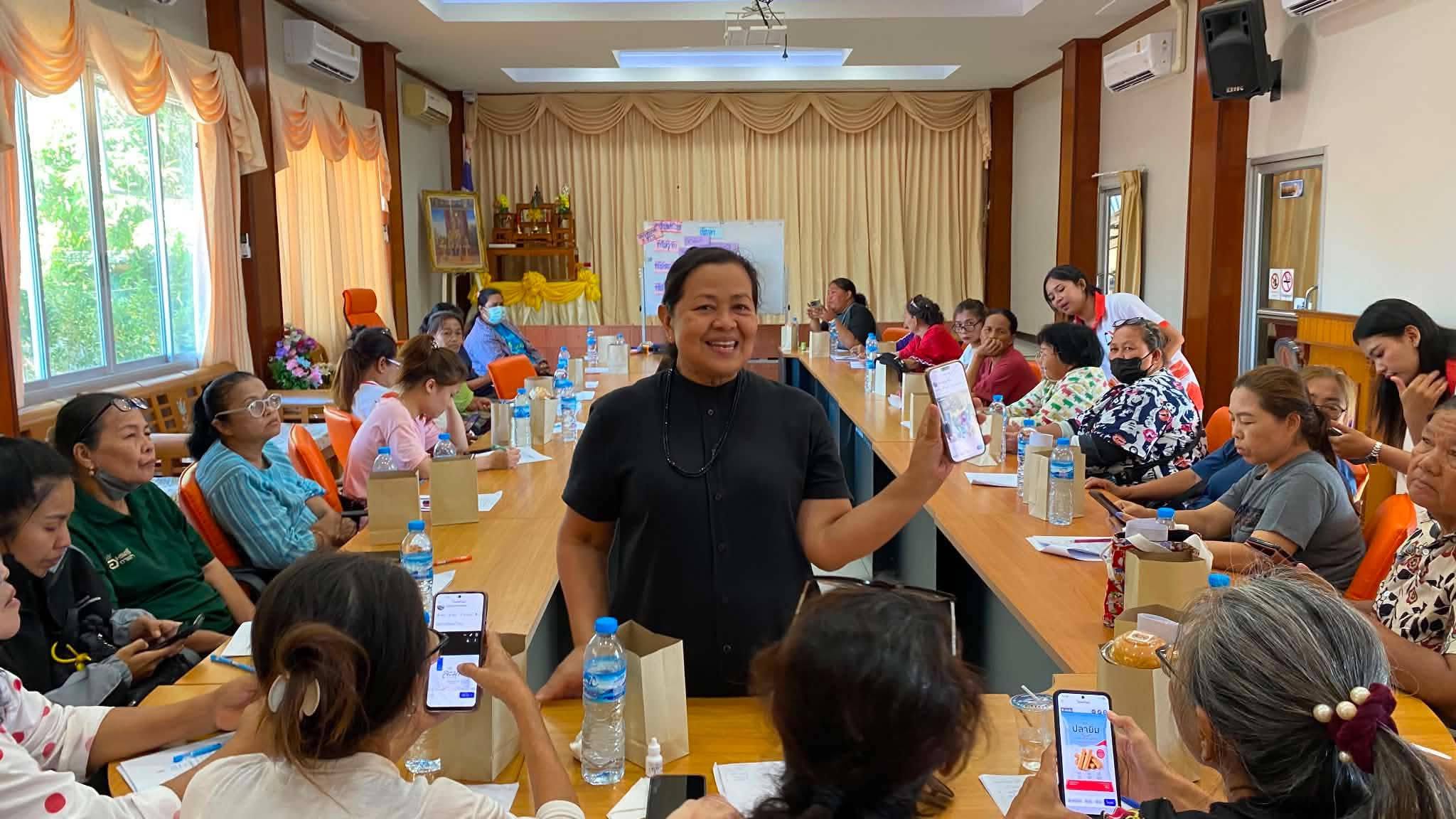
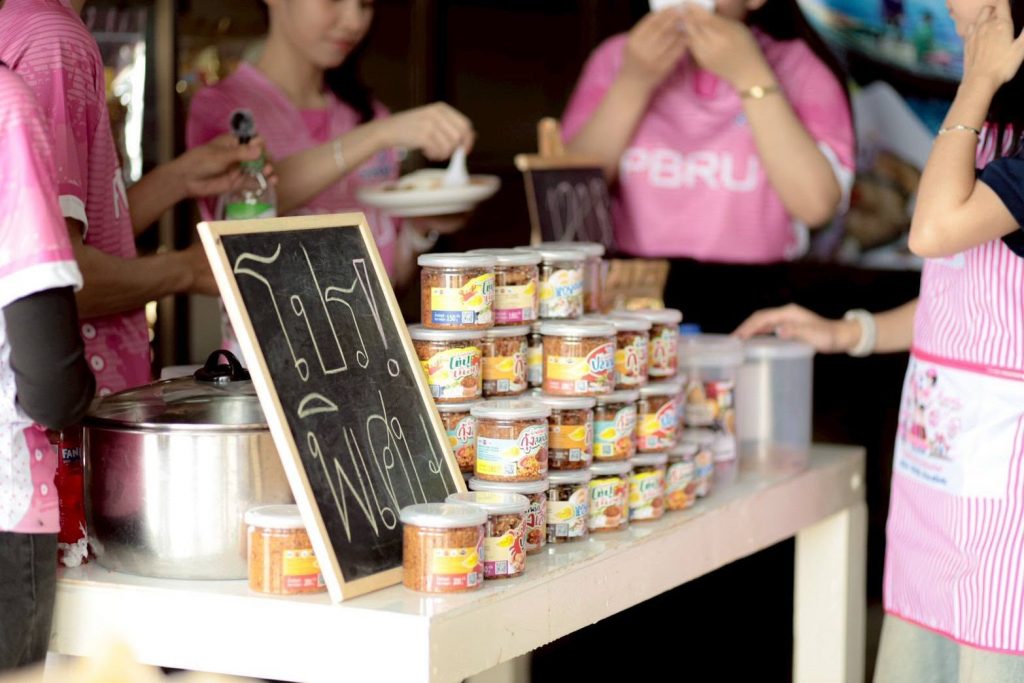
  1. Upgrading “Pukatoey” Products for Online Markets

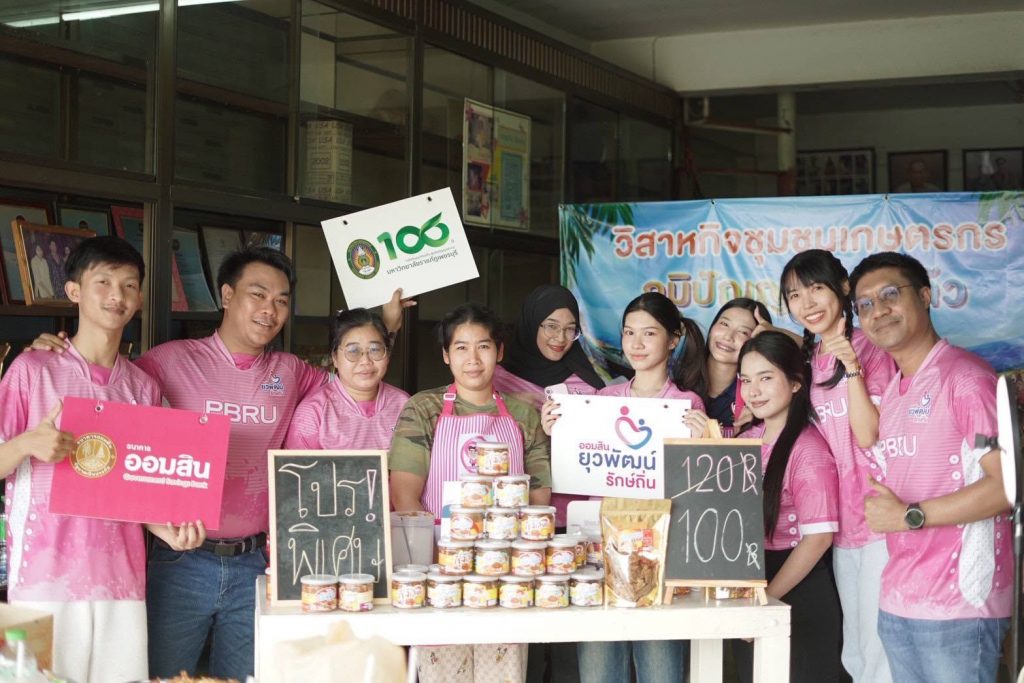
          The Faculty of Management Science provided academic outreach services to the Bang Kaeo Agricultural Wisdom Community Enterprise in Ban Laem District, Phetchaburi Province, to promote the development and online marketing of local processed food products, including crispy fried Pukatoey crab and three-flavor Pukatoey crab. The activity used online channels and Facebook Live to expand consumer access, add value to local products, and support income generation for community food producers.

  1. “Integrated Mango Development under the BCG Model” Project

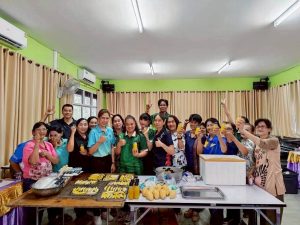
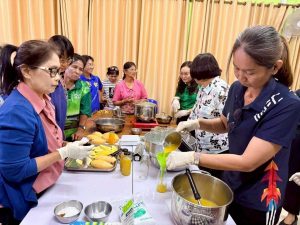
Phetchaburi Rajabhat University worked with Nam Dok Mai Si Thong mango growers and local agencies in Sala Lai Subdistrict, Sam Roi Yot District, Prachuap Khiri Khan Province, to address undersized and non-export-standard mangoes. The activity provided knowledge on processing mangoes into three-flavor chewy mango and pasteurized mango juice to add value to agricultural products and generate community income. The University also collected information to support the registration of local products as Geographical Indications (GI).
  1. Developing and Adding Value to Seafood Products in Pak Nam Pran Community

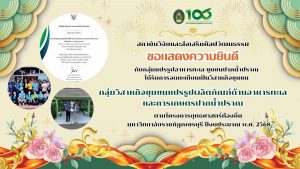
                    The Faculty of Science and Technology, in collaboration with the Institute of Research and Arts and Culture Promotion, organized a practical training workshop for local seafood and agricultural product processing groups in Pak Nam Pran, Pran Buri District, Prachuap Khiri Khan Province. The activity provided knowledge on group management, income and expense accounting, household income data collection, and networking, aiming to strengthen community enterprises, support income generation, and improve the quality of life of local communities sustainably.
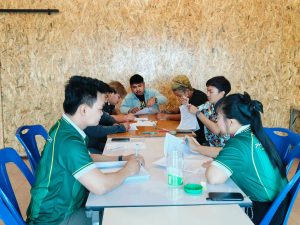
Through these activities, Phetchaburi Rajabhat University promoted the participation and capacity development of farmers, community enterprises, and local food producers through knowledge exchange, product development, value addition, and market opportunities. These efforts create economic opportunities and strengthen the capacity of local food producers and communities in a sustainable manner.

  1. “Pineapple Powder Product Development from Grade-B Pineapples in Ban Ruam Thai” Activity

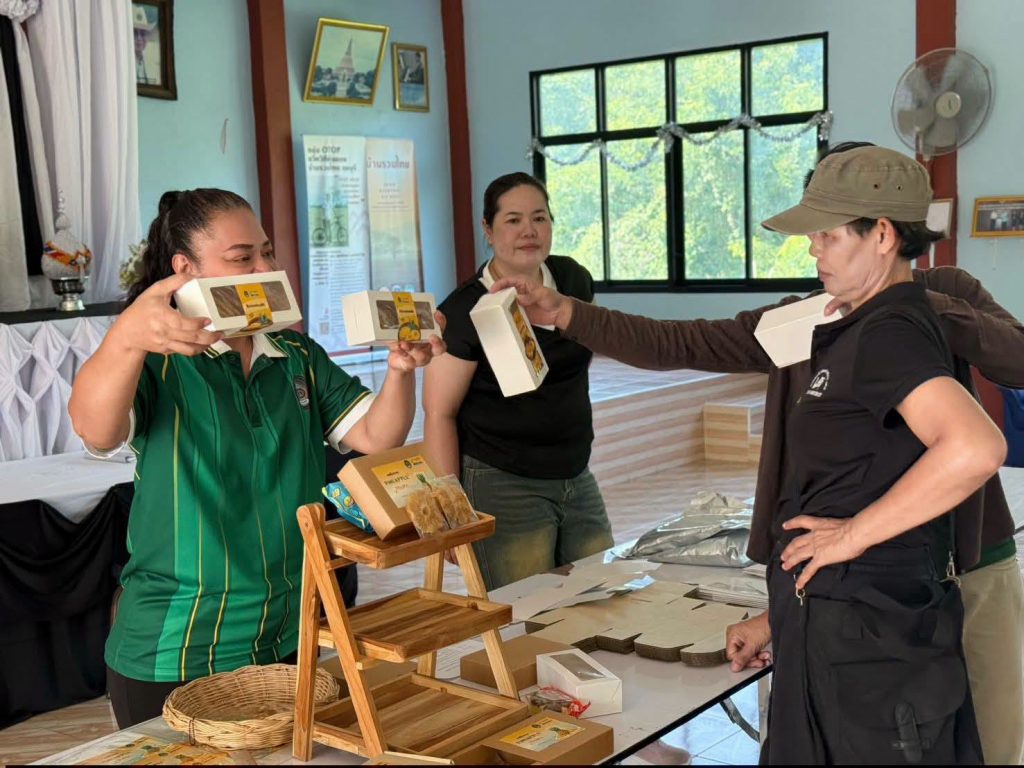
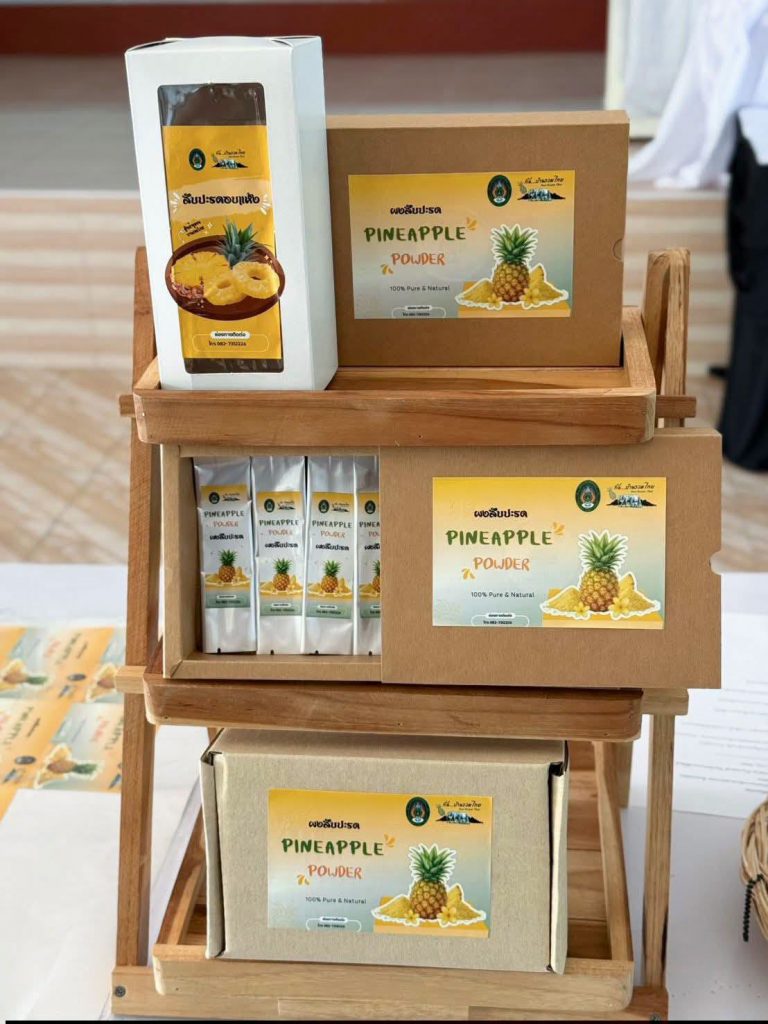
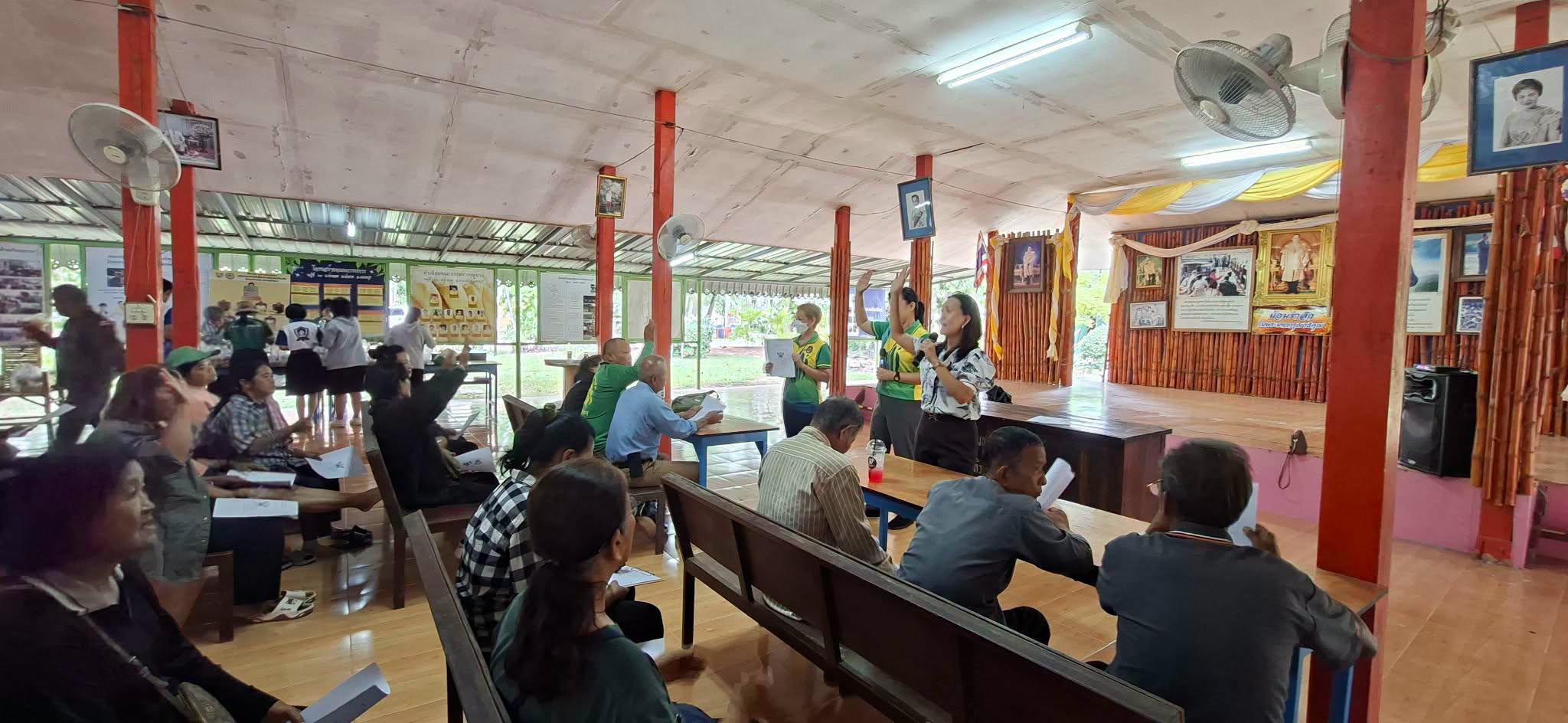
          The Faculty of Agricultural Technology, Phetchaburi Rajabhat University, collaborated with the Ban Ruam Thai community, Kui Buri District, Prachuap Khiri Khan Province, to transfer knowledge on adding value to agricultural products. Grade-B pineapples were processed into pineapple powder and dried pineapple, with training covering raw material preparation, pineapple juice extraction, and packaging development. The activity aimed to reduce agricultural product loss, add value, and support the commercialization of local products.

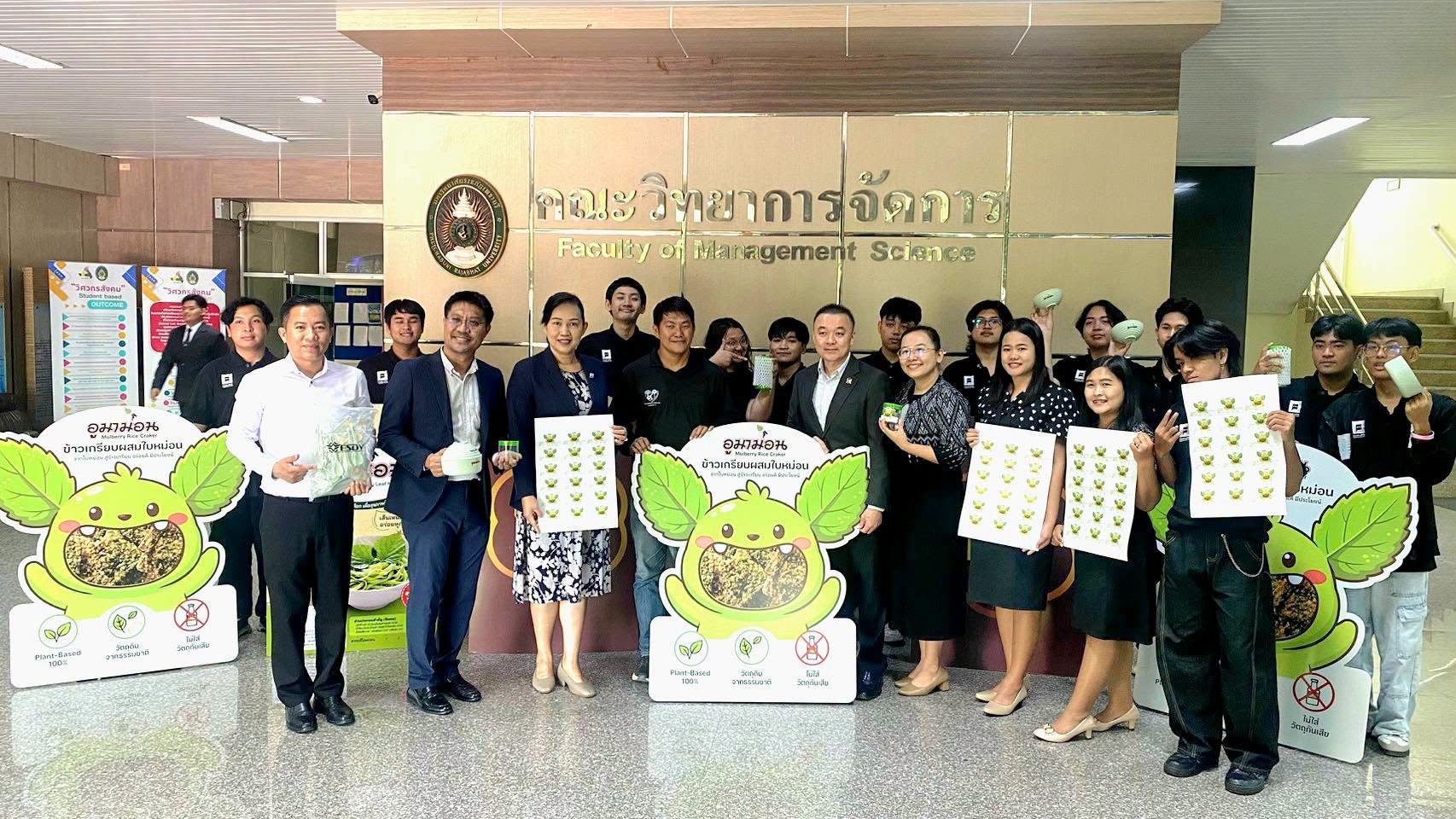
6.“Umamamon Senbei” Community Product Value Addition Activity

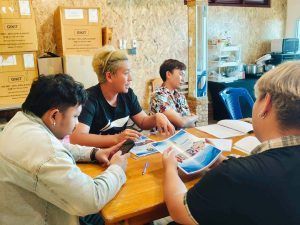
The Faculty of Management Science, Phetchaburi Rajabhat University, collaborated with the Don Khun Huai 2 Community Enterprise in Tha Yang District, Phetchaburi Province, to provide knowledge and exchange ideas on developing the “Umamamon Senbei” community product. The activity focused on product standards, value addition, and market-oriented product development, with participation from community leaders, entrepreneurs, and local residents. The activity aimed to support product development, career opportunities, and income generation for the community.

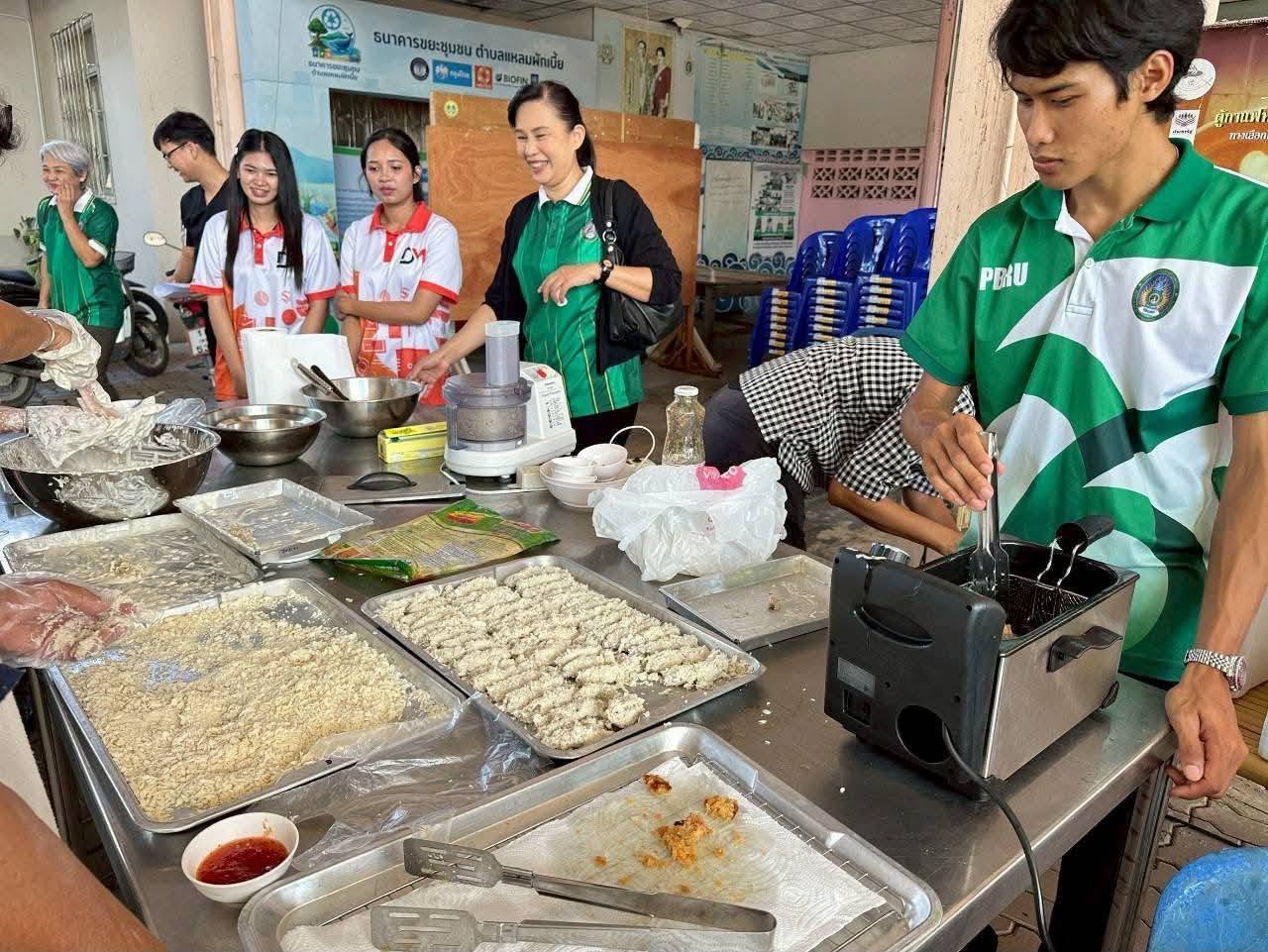
  1. “Fish Sticks” Product Development and Digital Marketing Activity

The Faculty of Management Science, in collaboration with the Faculty of Agricultural Technology, Phetchaburi Rajabhat University, provided research-based knowledge to the community in Laem Phak Bia, Ban Laem District, Phetchaburi Province. The activity focused on developing local fish into “Fish Sticks” to add value and create commercial opportunities. Training covered fish processing, quality and production standards, product development, and digital marketing strategies, including e-commerce channels, to support sustainable livelihood and income generation for the community.

Through these activities, Phetchaburi Rajabhat University supported farmers, community enterprises, and local food producers through knowledge transfer, product development, value addition, quality and standards improvement, and market development. These efforts strengthen livelihood opportunities, income generation, and the local community economy in a sustainable manner.

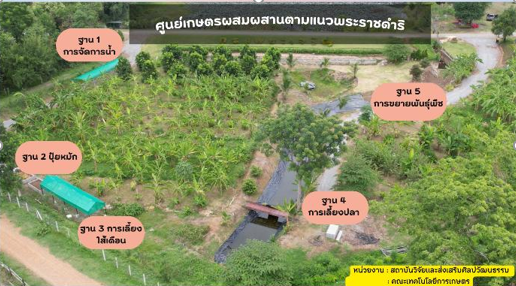
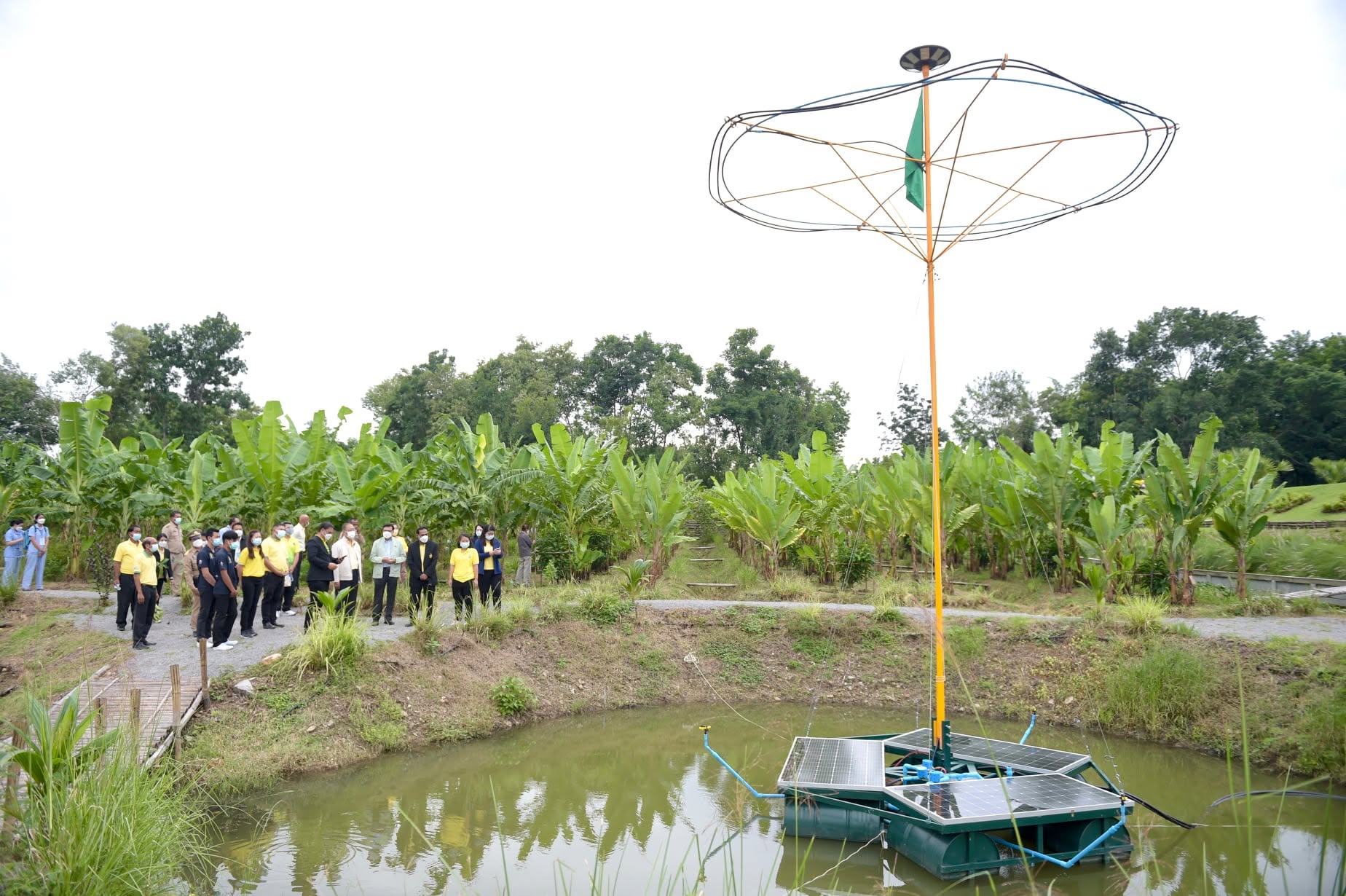
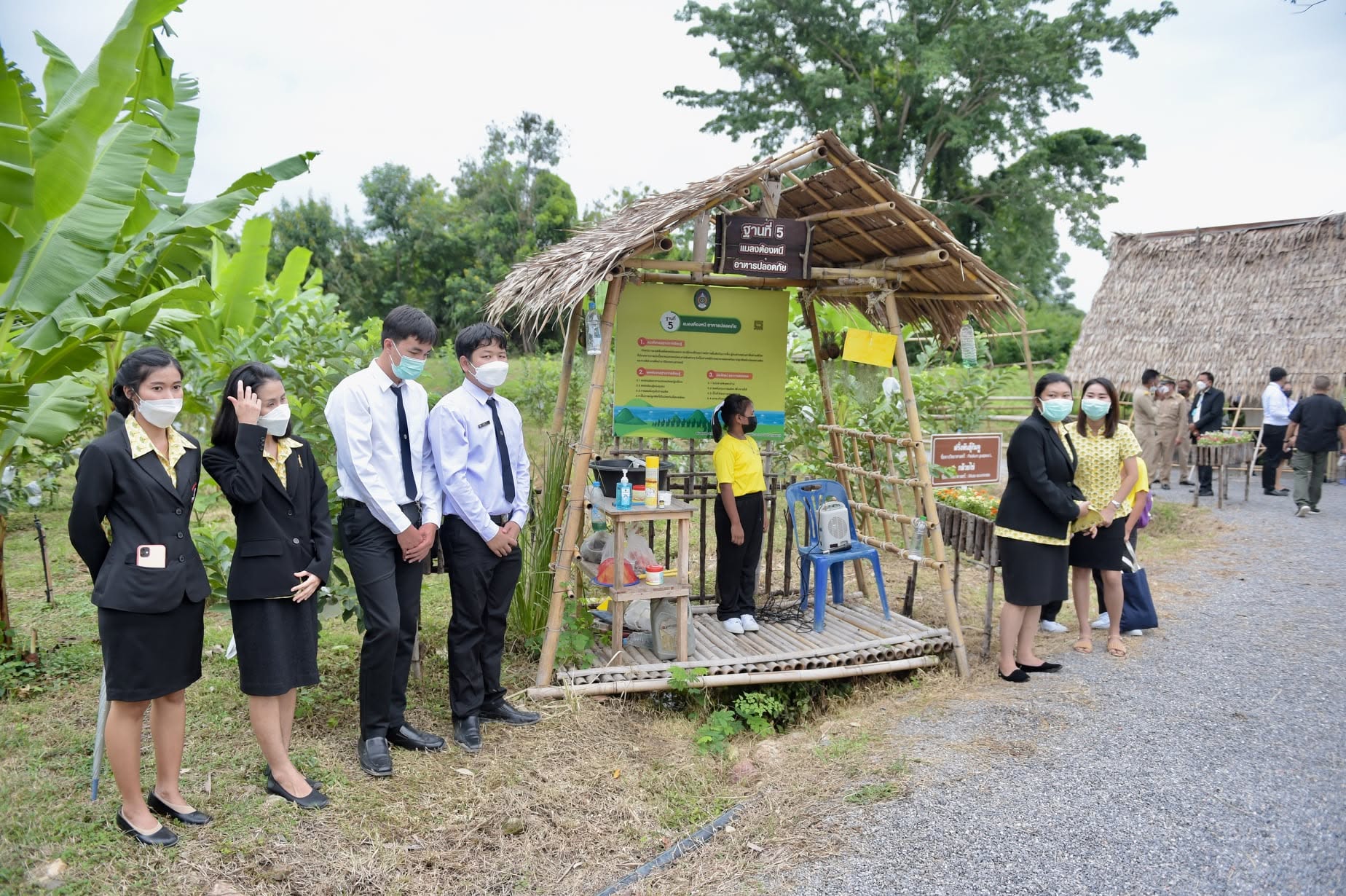
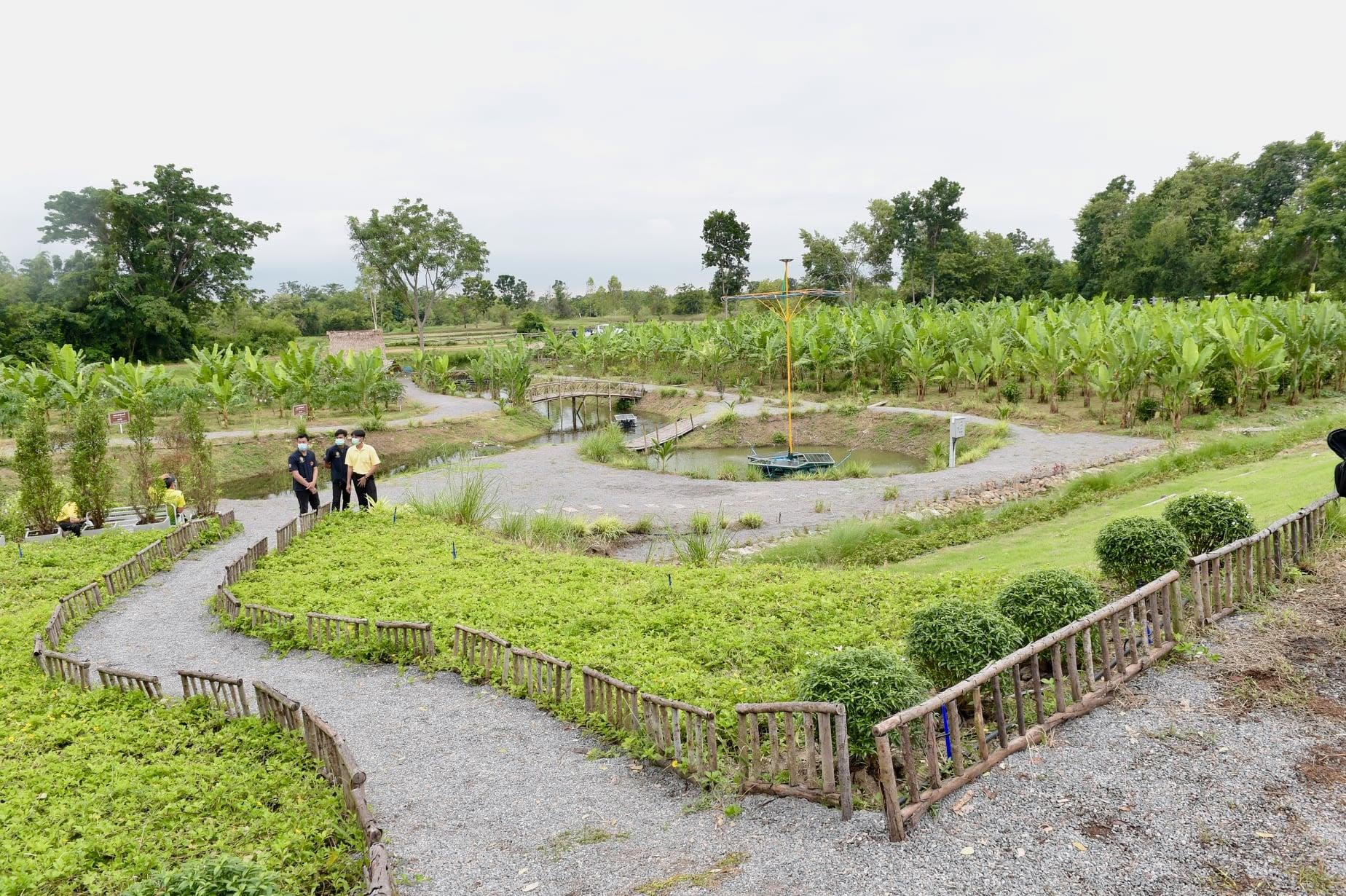
          In addition, the University operates the Integrated Agricultural Learning Center based on Royal Initiatives at the Pong Salod area as a learning and knowledge transfer center for farmers, communities, and interested individuals. Covering approximately 5.5 rai, the Center applies agricultural innovations and technologies to integrated farming and cultivates a variety of crops, including Golden Banana, Phet Sai Rung Rose Apple, durian, papaya, and medicinal plants.

          The Center comprises five agricultural learning bases:

                    1.Smart Water Management: Efficient water management using solar energy and smart Irrigation systems.

                    2.Palm Sugar Husk Compost: Production of organic fertilizer from palm sugar husks.

                    3.Royal Fish Breeding: Expansion of fish breeding based on Royal initiatives.

                    4.Plant Propagation: Knowledge and practices for plant propagation.

                    5.“Insects Must Escape”: Learning and knowledge transfer on sustainable agricultural production, efficient resource use, and the application of appropriate technologies suited to local conditions.

Scroll to Top