SDG 4 : Quality Education
4.3.5 Lifelong learning access policy
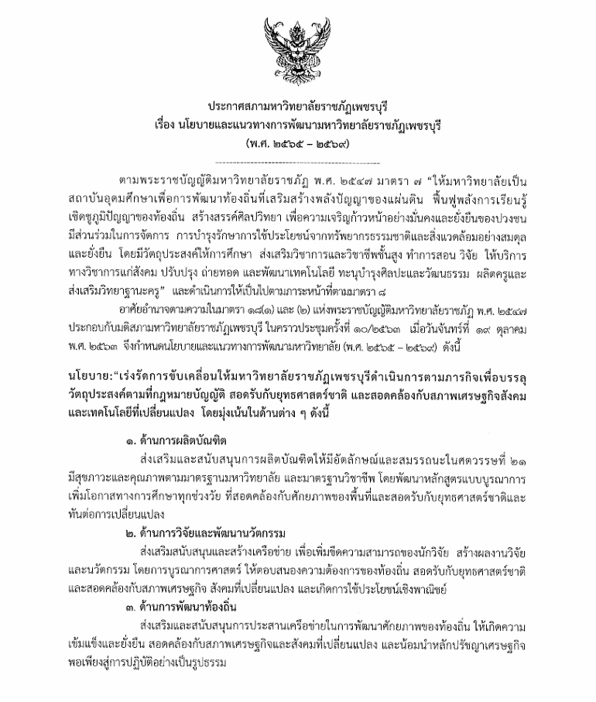
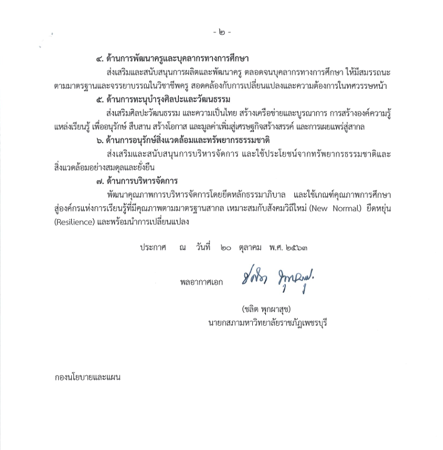
Phetchaburi Rajabhat University places importance on promoting lifelong learning and equal access to educational opportunities. The University has established policies and systematic development approaches covering graduate education, research and innovation development, local development, teacher and educational personnel development, arts and cultural preservation, environmental and natural resource conservation, and university administration.
These policies support the development of the potential of learners, staff, local communities, and the general public, while creating an environment that promotes continuous learning and skills development. https://www.pbru.ac.th/นโยบายและแนวทางการพัฒนามหาวิทยาลัย
1.Graduate Education
The University promotes and supports the development of graduates with a strong identity, essential 21st-century competencies, well-being, and qualifications that meet university and professional standards. It focuses on producing “practical graduates” with competencies aligned with labor market needs.
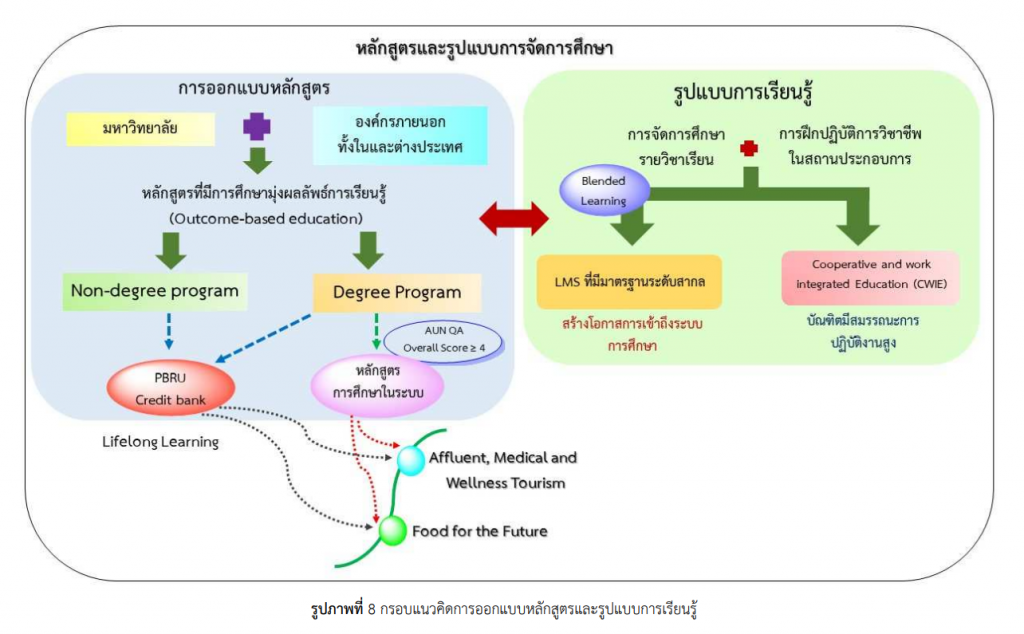
The University also develops flexible curricula and educational models, such as the Credit Bank system, to support lifelong learning and expand educational opportunities for people of all ages. In addition, the University promotes the development of young entrepreneurs by fostering creativity and career skills that prepare them for changes in the world of work.
2.Research and Innovation Development
The University promotes and supports researcher capacity development and collaborative networks to produce research and innovations that respond to the needs of local communities and society. It also promotes the application of research knowledge and innovations for practical use, as well as the dissemination and transfer of knowledge to learners, communities, and society. These efforts support continuous learning and capacity development.
3. Local Development
The University promotes and supports collaboration between the University, local administrative organizations, and network partners to strengthen local communities and promote sustainable development in response to changing economic and social contexts.The University applies the Sufficiency Economy Philosophy in practice and promotes the application of knowledge and innovations to community development, income generation, and improving the quality of life of local residents. These efforts also facilitate continuous knowledge sharing and learning exchange between the University and local communities.
4.Teacher and Educational Personnel Development
The University promotes and supports the training and development of teachers and educational personnel to develop competencies in accordance with professional standards and ethics, while responding to changes and the needs of society. These efforts enable teachers and educational personnel to continuously develop their knowledge and skills and apply the knowledge gained to support the learning and development of students.
5.Arts, Culture, and Local Wisdom Preservation
The University promotes and supports the preservation, continuation, and development of arts, culture, and local wisdom by building collaborative networks and integrating knowledge to create learning opportunities and add value to cultural resources.The University also supports the preservation and development of historical and cultural learning resources, such as the Don Yai Thong Archaeological Site, and promotes the dissemination of knowledge to local communities and society to encourage learning and knowledge transfer across generations.
6.Environmental and Natural Resource Conservation
The University promotes and supports the balanced and sustainable management and use of natural resources and the environment. It focuses on developing knowledge, understanding, and awareness of natural resource and environmental conservation.The University also encourages the participation of students, staff, local communities, and the general public in protecting and conserving natural resources and the environment. These efforts promote continuous learning and environmental awareness.
7.University Management
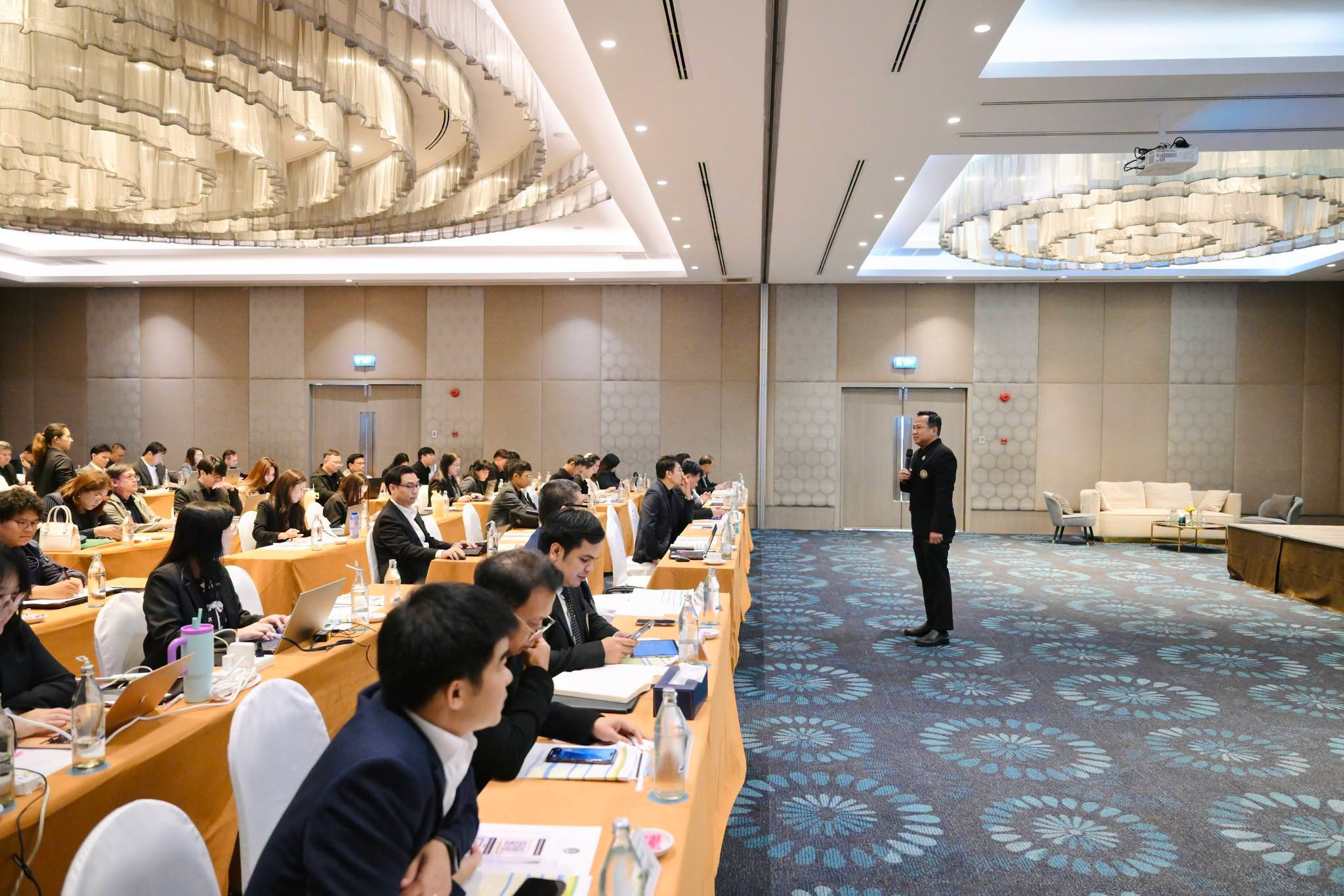
The University promotes and supports efficient, transparent, and good-governance-based university management by applying appropriate systems and technologies to management and developing work processes and an environment that support learning. It also promotes staff capacity development and the development of a learning organization, enabling the University to adapt effectively to changes in society. Example: Development of a Lifelong Learning Platform and Credit Bank System Phetchaburi Rajabhat University has developed a lifelong learning platform to support the implementation of the Credit Bank system and education in the digital era. The platform integrates information on academic programs, credit transfer, and credit accumulation, and supports target groups including students, staff, and the general public. It provides opportunities for individuals to continuously develop their knowledge and potential through lifelong learning.
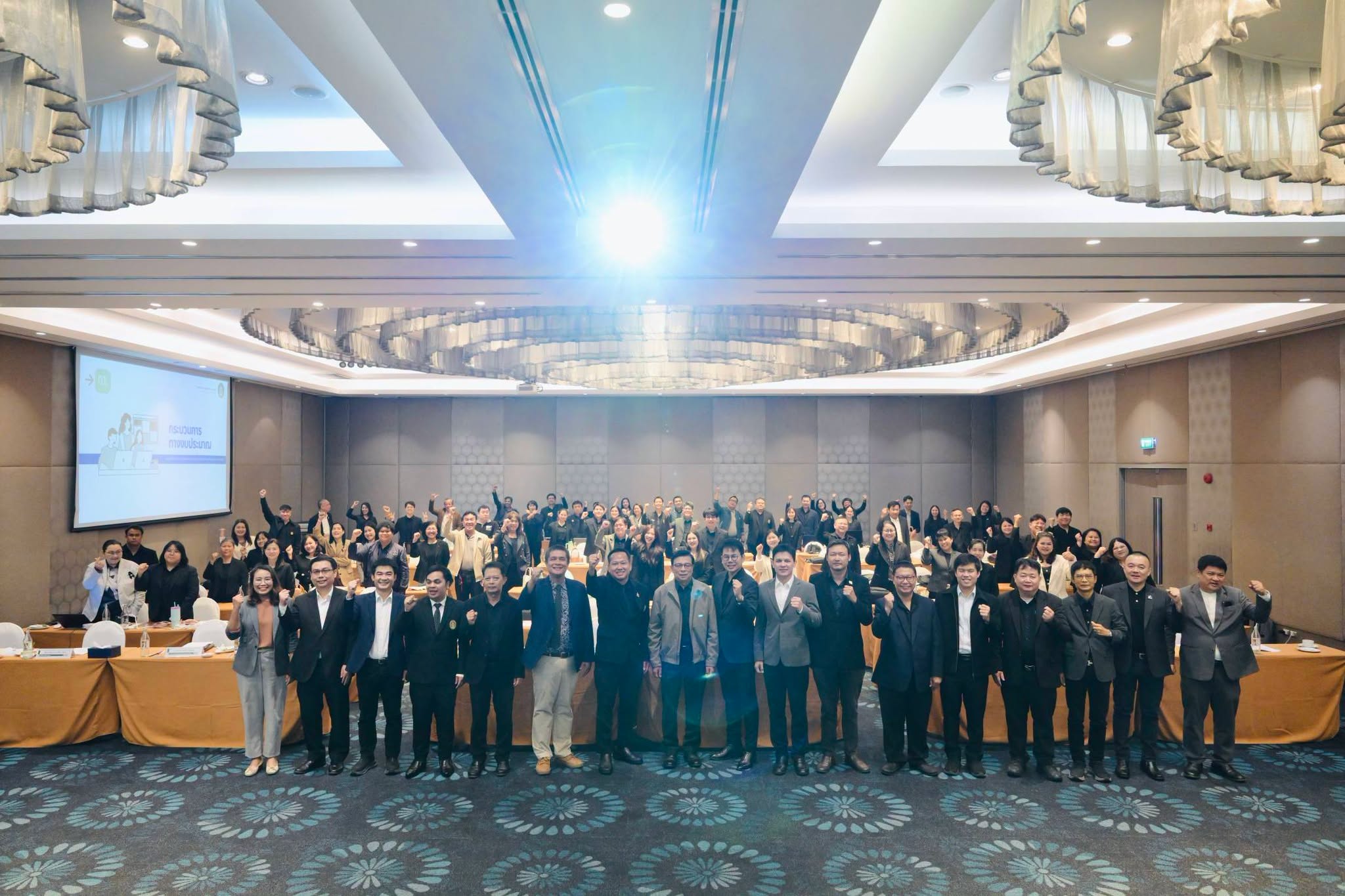
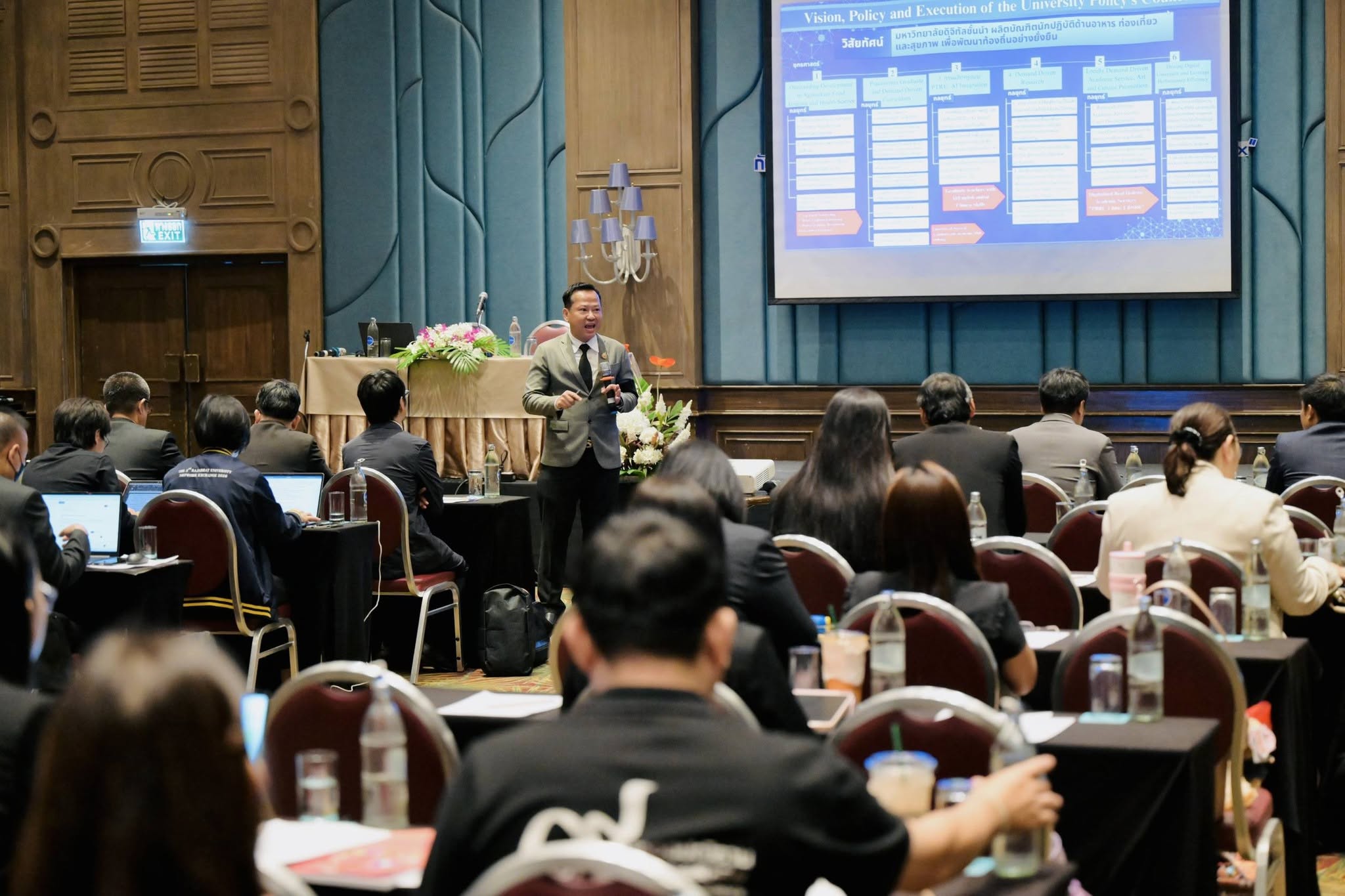
In addition, Phetchaburi Rajabhat University promotes reskilling and upskilling to respond to changes in the digital era and supports lifelong learning through Degree Programmes, Non-degree Programmes, and the Credit Bank System. These approaches provide learners from diverse backgrounds with flexible and continuous access to education.
The University also promotes Blended Learning through the Learning Management System (LMS), enabling learners to access education anywhere, anytime, and at any age. This approach expands equal access to educational opportunities. Lifelong Learning Platform Development
The University has developed a Lifelong Learning Platform to support the Credit Bank System, including credit transfer and credit accumulation, for students, staff, and the general public. The platform supports continuous learning and capacity development.