

SDG 2 Zero Hunger
2.5.1 Access to food security knowledge
Phetchaburi Rajabhat University places strong emphasis on transferring agricultural and food-related knowledge, technologies, and innovations to communities, students, farmers, and the general public. These efforts aim to promote access to knowledge on food production and processing, the appropriate use of resources, self-reliance, livelihood development, and sustainable food security. The University implements a range of activities to provide communities and the public with access to relevant knowledge and practical skills, including:
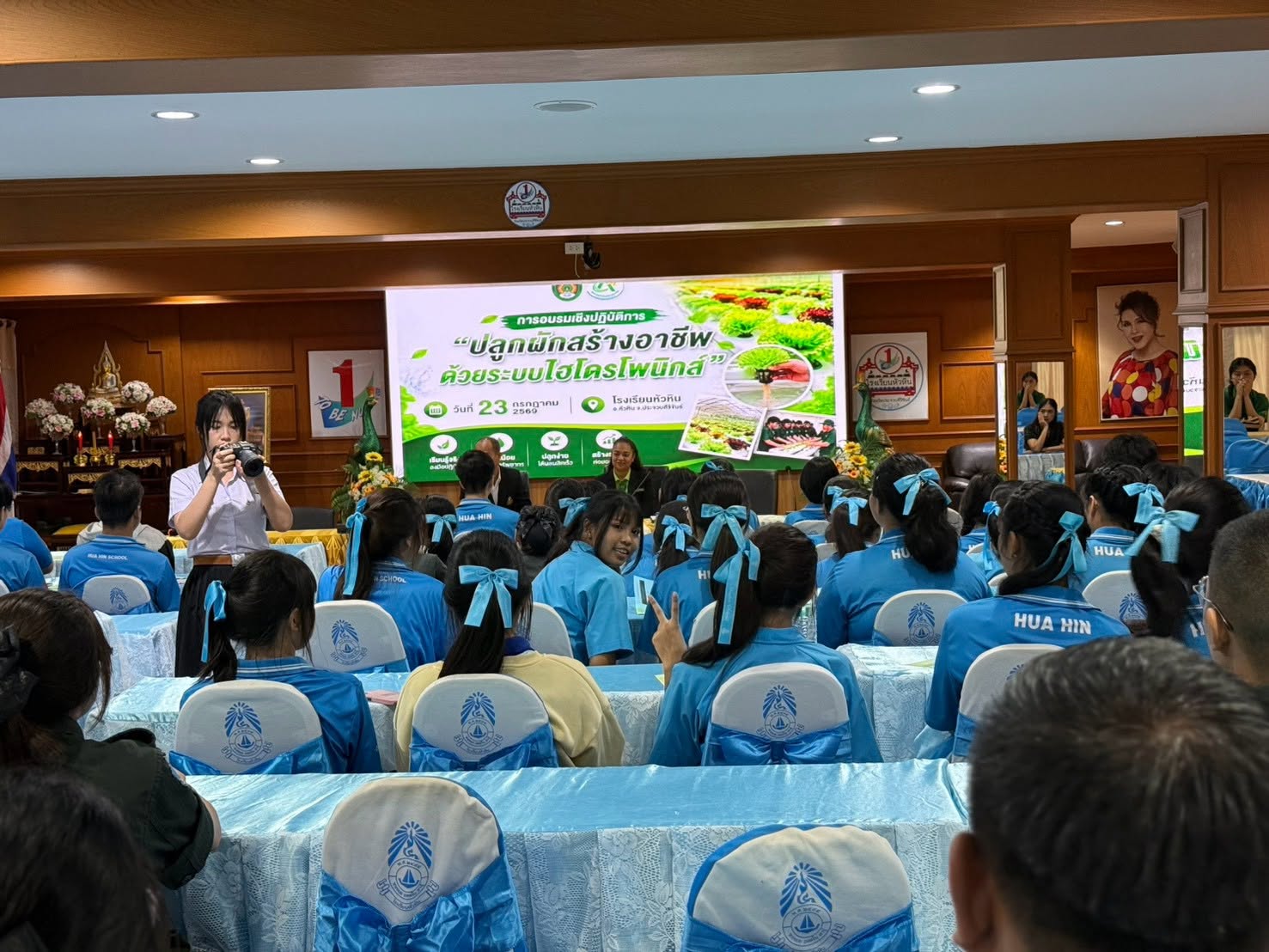
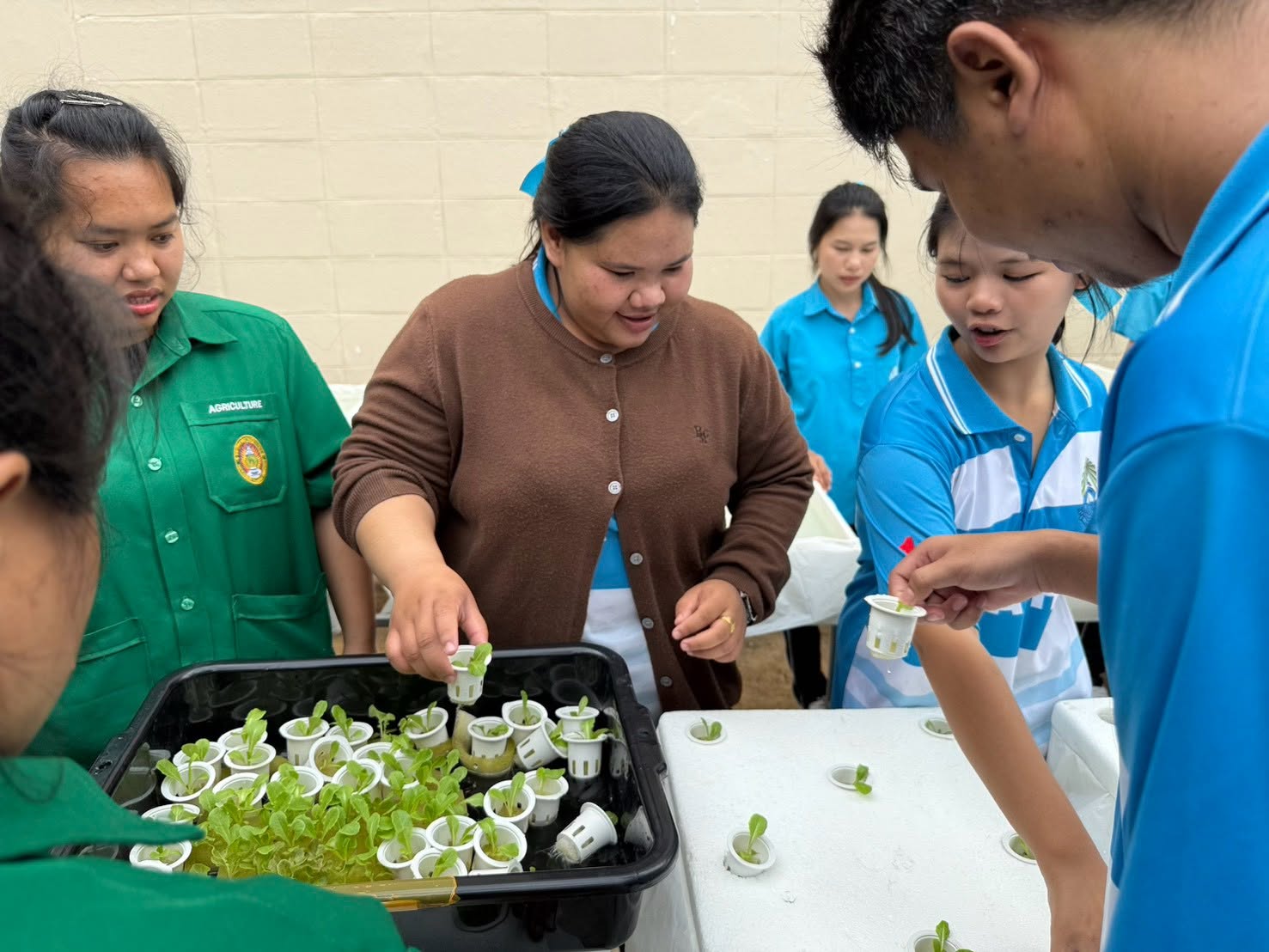
1. Short Course: “Vegetable Cultivation for Livelihoods through Hydroponic Systems”
The Faculty of Agricultural Technology organized a practical training workshop for students at Hua Hin School on hydroponic crop production, covering seed germination, crop care, and harvesting. The activity aimed to enable participants to apply the knowledge gained to food production and further develop it into livelihood and income-generating opportunities.
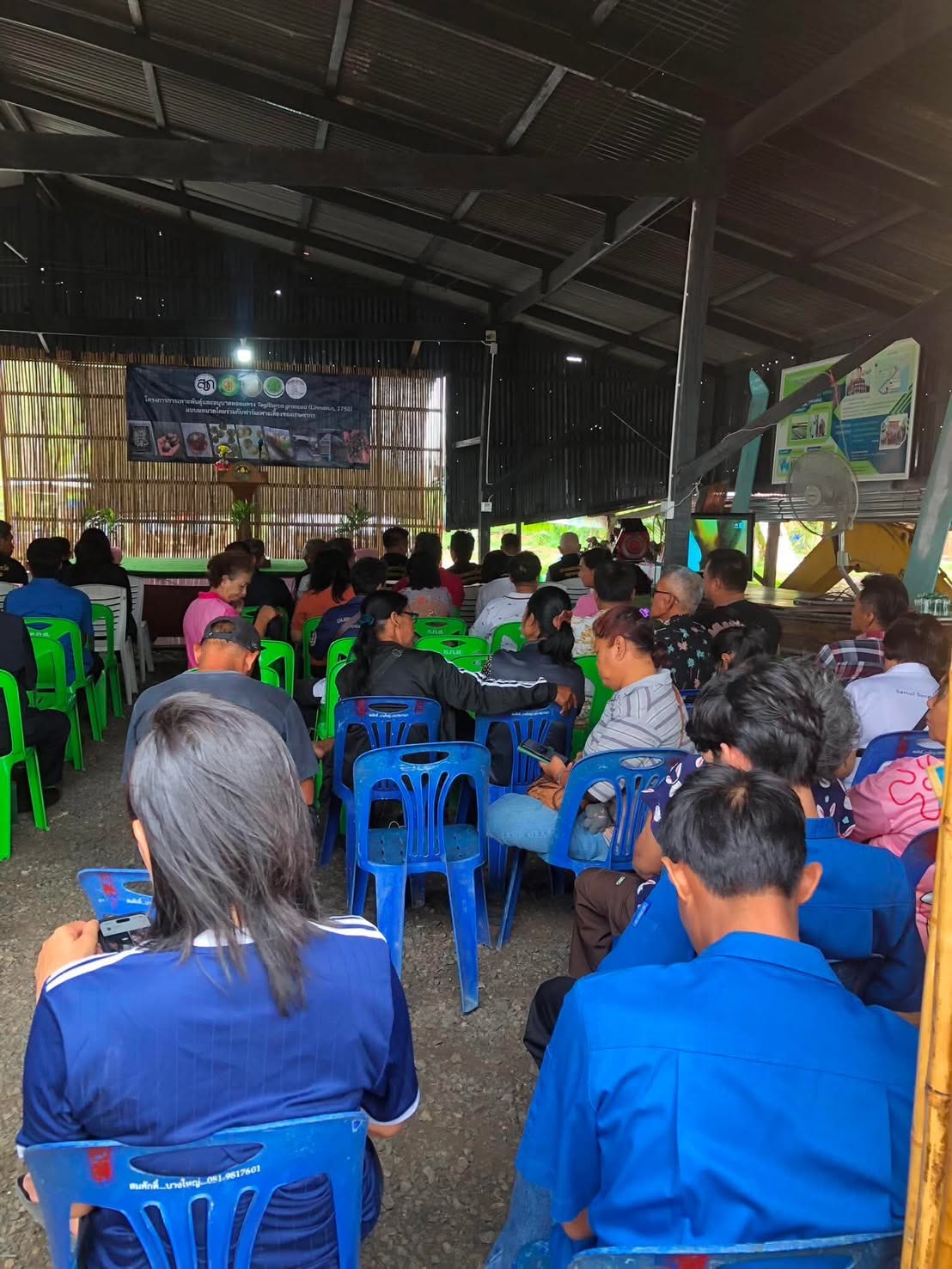
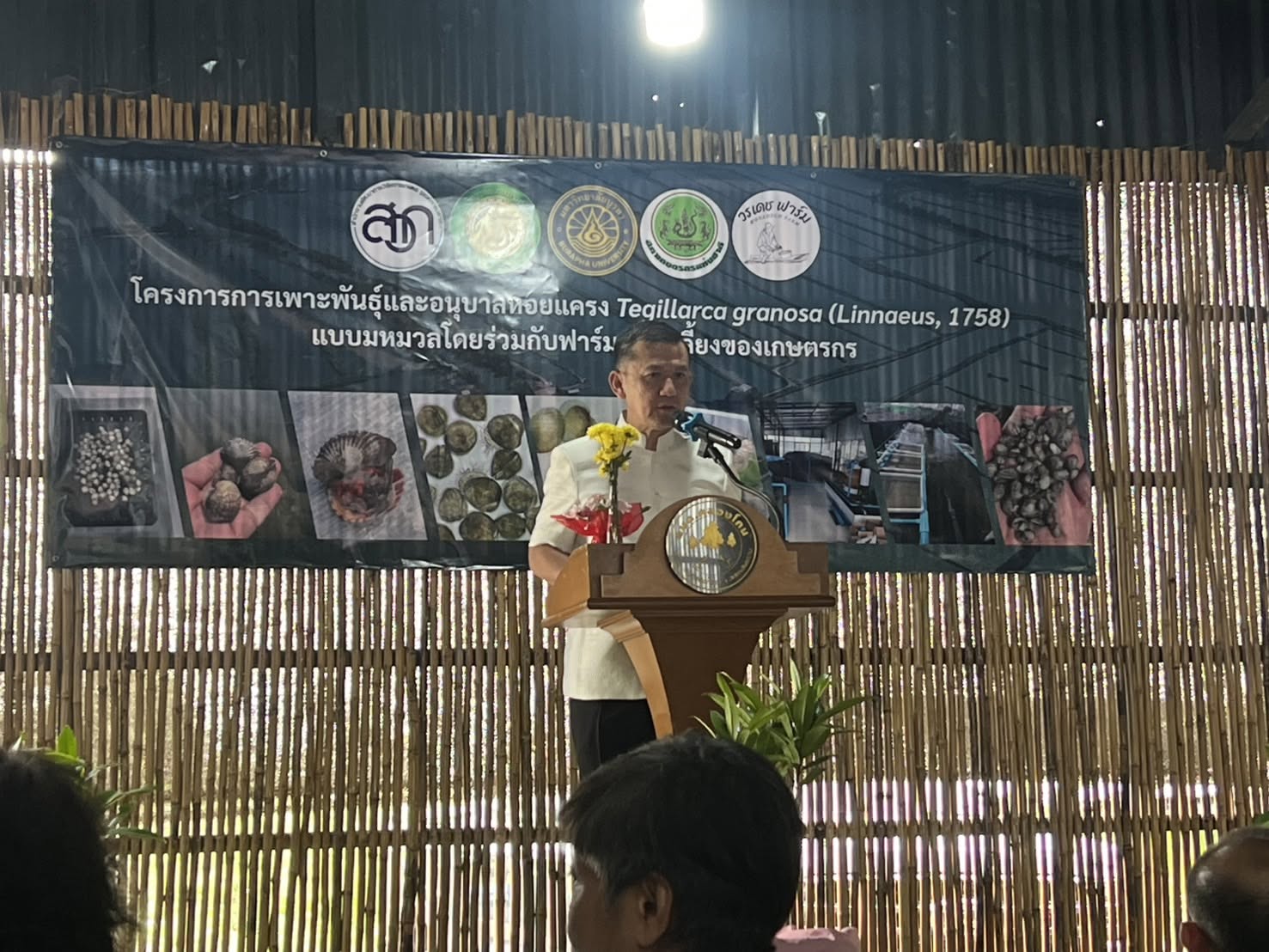
2. Knowledge and Technology Transfer on Cockle Breeding and Nursery
The Faculty of Agricultural Technology conducted an activity to transfer knowledge and technology on cockle breeding and nursery practices. The activity promoted aquaculture knowledge and supported the application of academic knowledge to fisheries production and development, contributing to sustainable food production and the appropriate use of aquatic resources.
3. Knowledge Transfer for Local Food Product Development
The Institute of Research and Arts and Culture Promotion, Phetchaburi Rajabhat University organized a practical training workshop for community enterprises and farmers in Sam Roi Yot District, Prachuap Khiri Khan Province. The activity provided knowledge and techniques for processing local agricultural ingredients into food products, including Chakram seasoning powder, baked Chakram with cheese, and chewy mango, while promoting product quality and standards. The training aimed to enable participants to apply the knowledge gained, add value to local agricultural products, and generate income for the community.
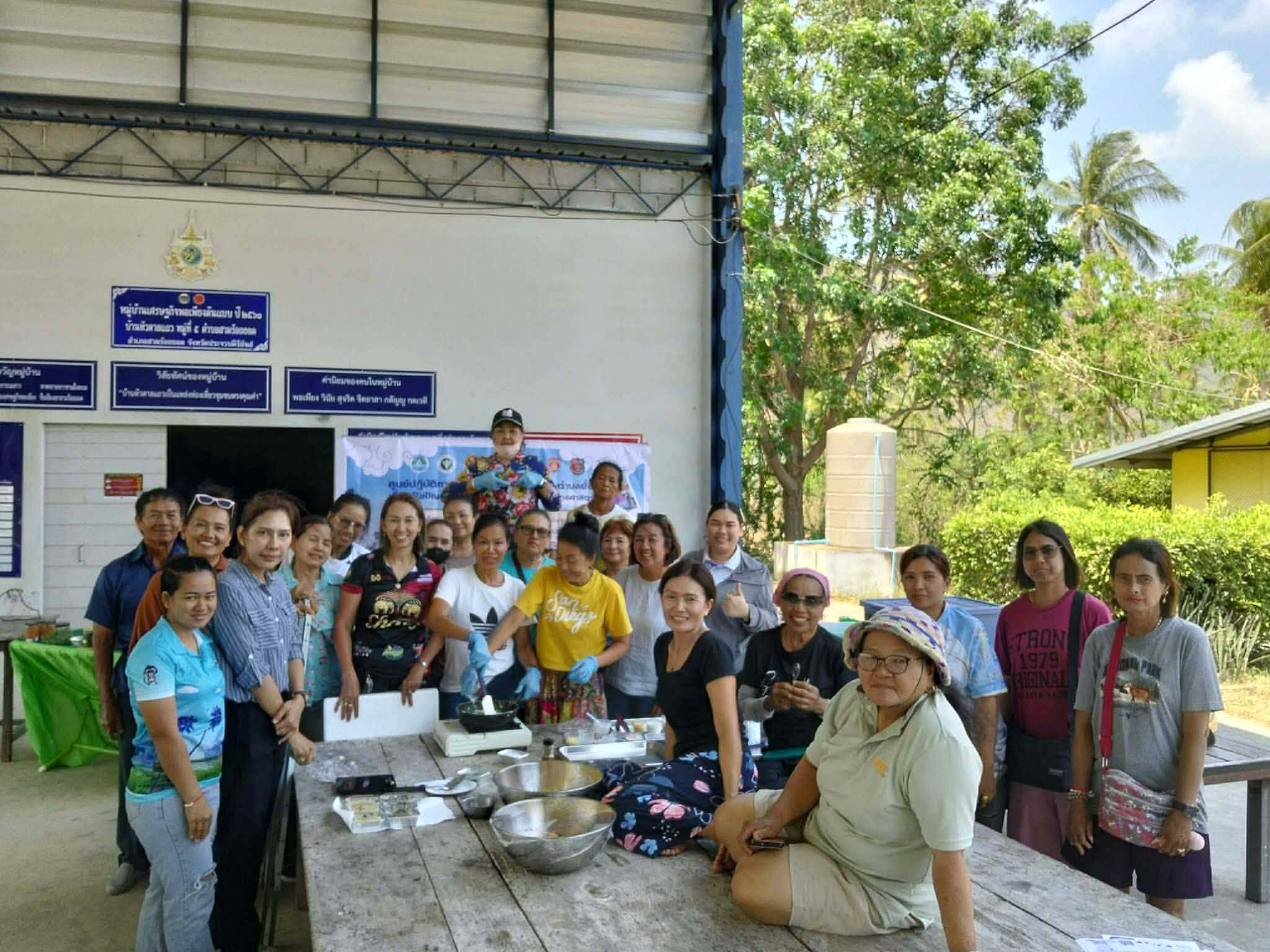
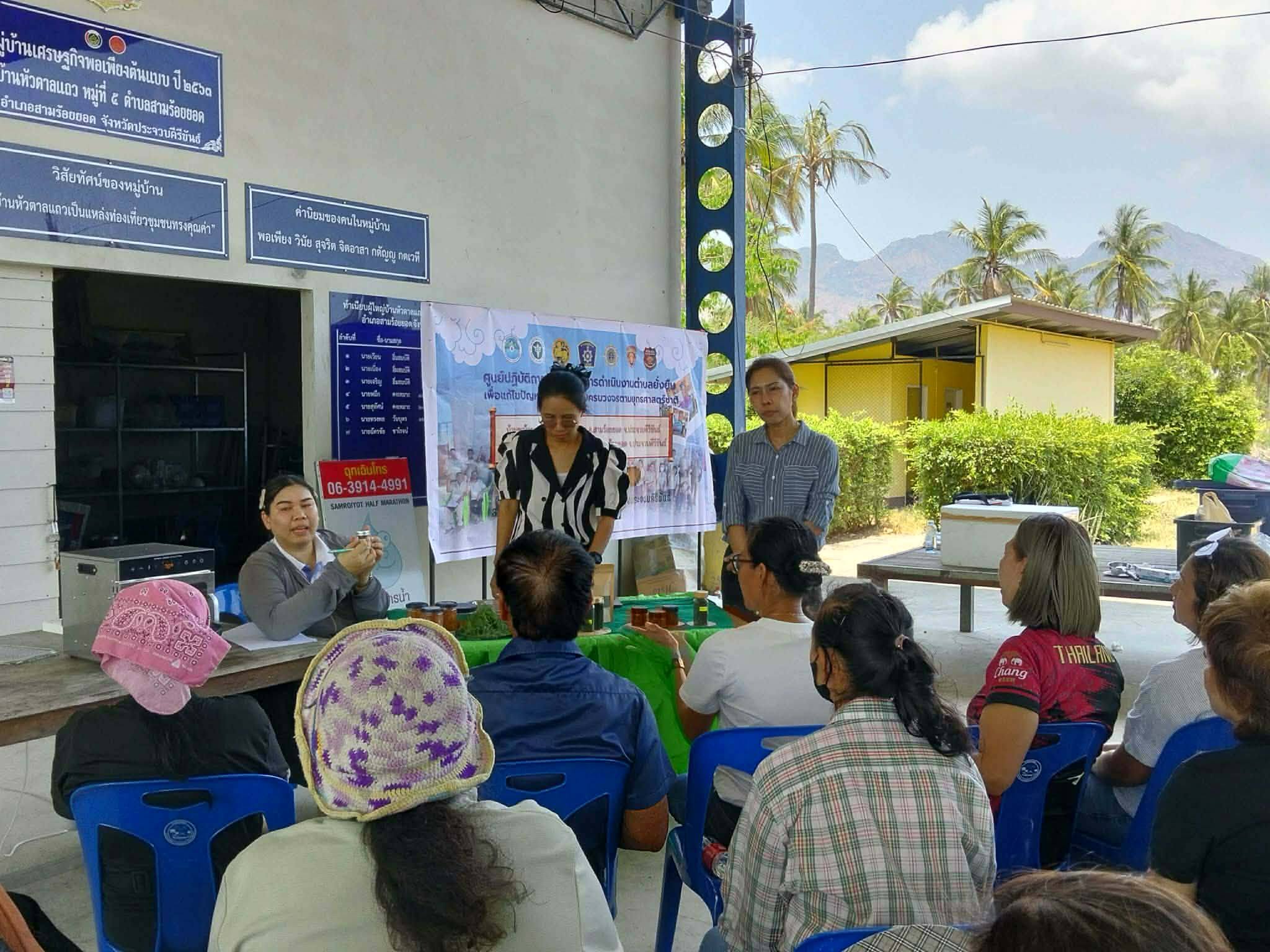
4.“One Village, One Thai Chef” Project, Phetchaburi Rajabhat Universit
The Phetchaburi International Culinary School provided participants with knowledge and practical skills in Thai cuisine through a 50-hour training course covering 50 Thai dishes. The training covered ingredient selection and preparation, professional cooking techniques, and food presentation. Participants were also encouraged to undertake the National Skill Standard Test for Thai Cooks, Level 1, to enhance their professional skills and standards. The project supports participants in applying their knowledge for career development and income generation, while contributing to the preservation of Thai culinary knowledge and heritage.
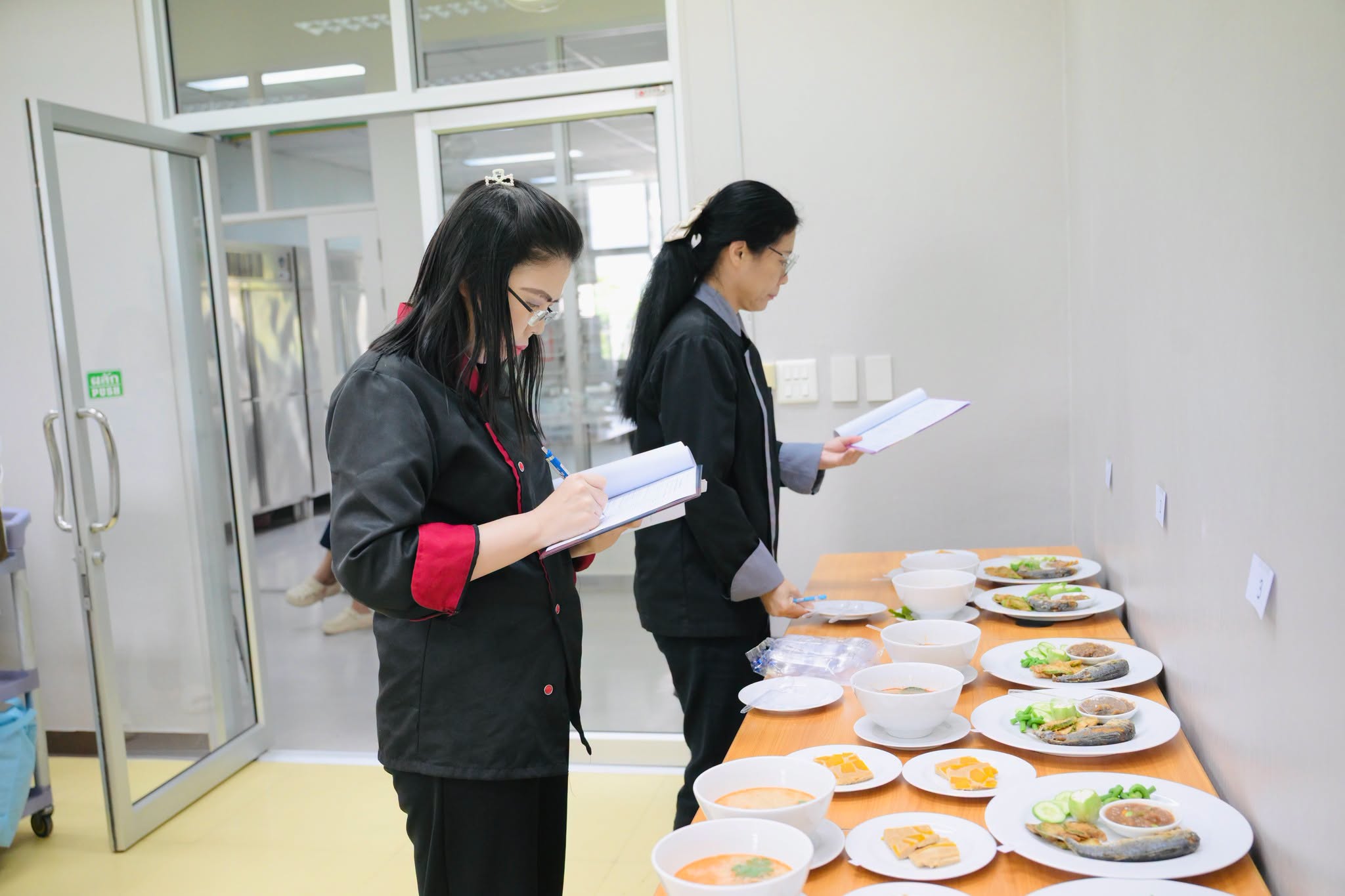
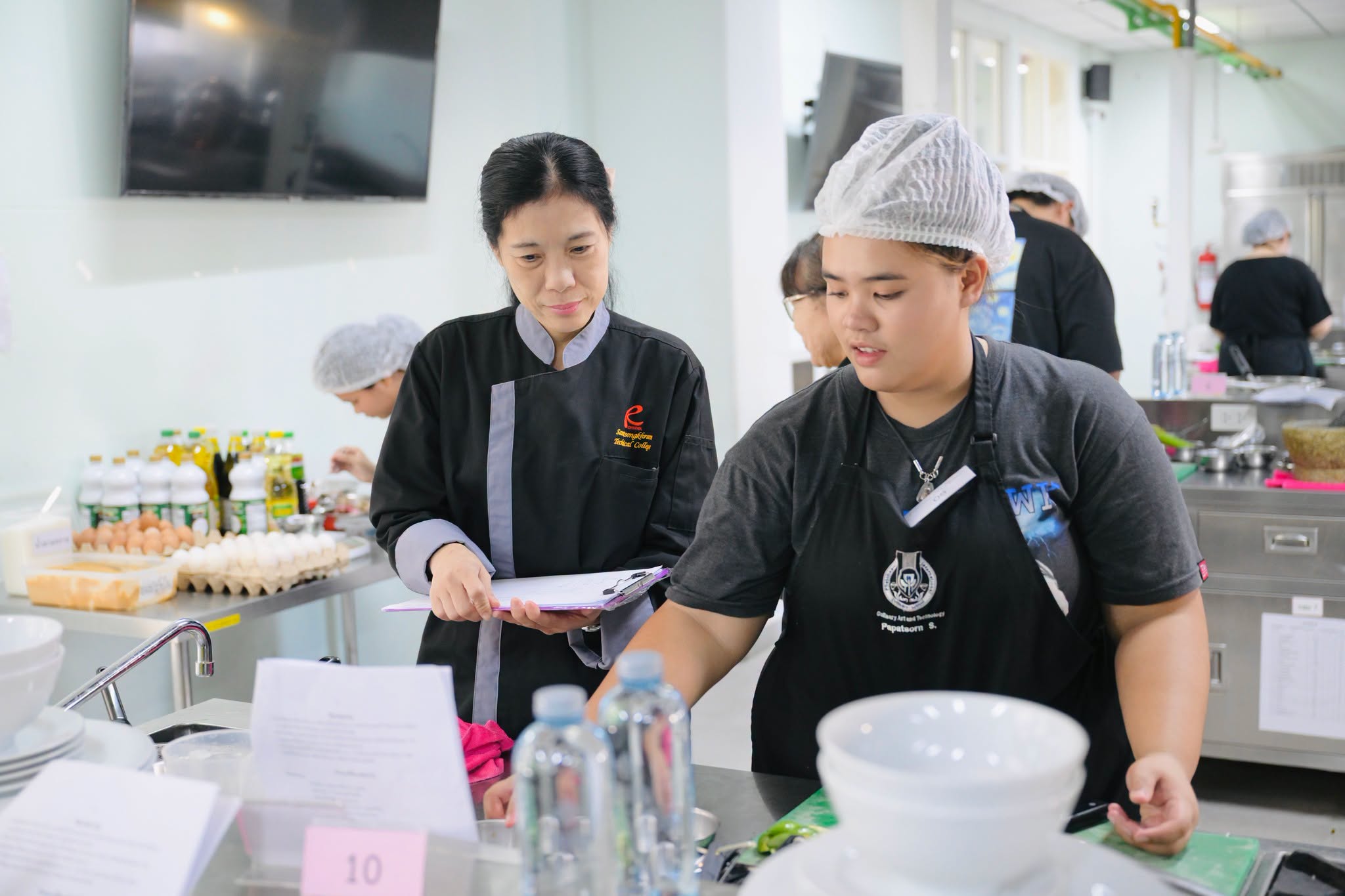
Through these activities, Phetchaburi Rajabhat University promoted access to agricultural and food-related knowledge among diverse target groups, including students, farmers, community enterprises, and the general public, through knowledge transfer and hands-on training. The activities covered crop production, aquaculture, food processing and value addition, and culinary skills development, enabling participants to apply the knowledge gained to food production, livelihood development, and income generation, thereby contributing to sustainable food security.