
SDG 2 Zero Hunger
2.2.1 Campus food waste tracking
Phetchaburi Rajabhat University has integrated food waste management into its Green University practices, with the aim of reducing greenhouse gas emissions and contributing to the mitigation of global warming through systematic food waste management. Effective food waste management can help reduce greenhouse gas emissions associated with food waste and support the University’s environmental sustainability goals.
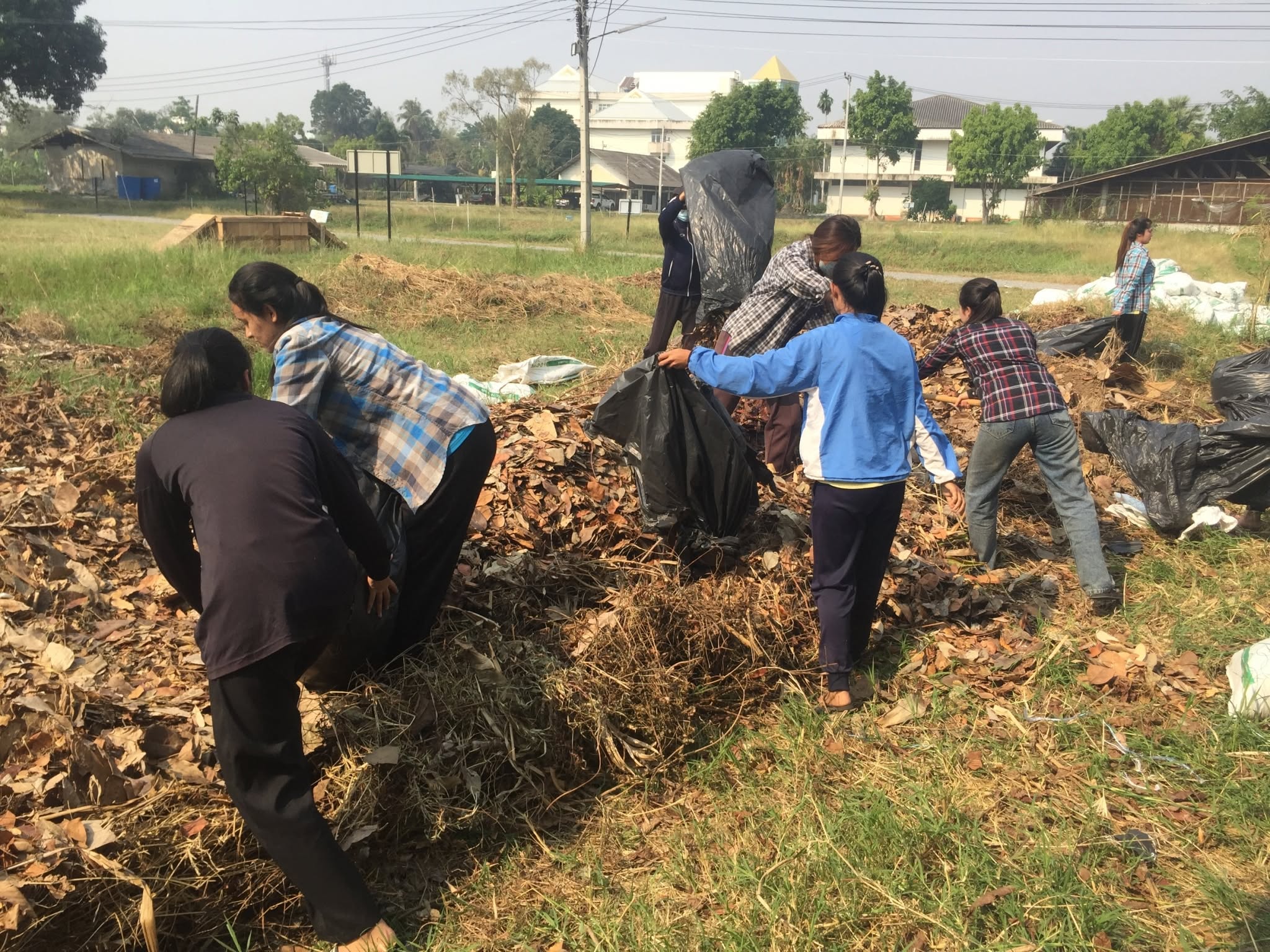
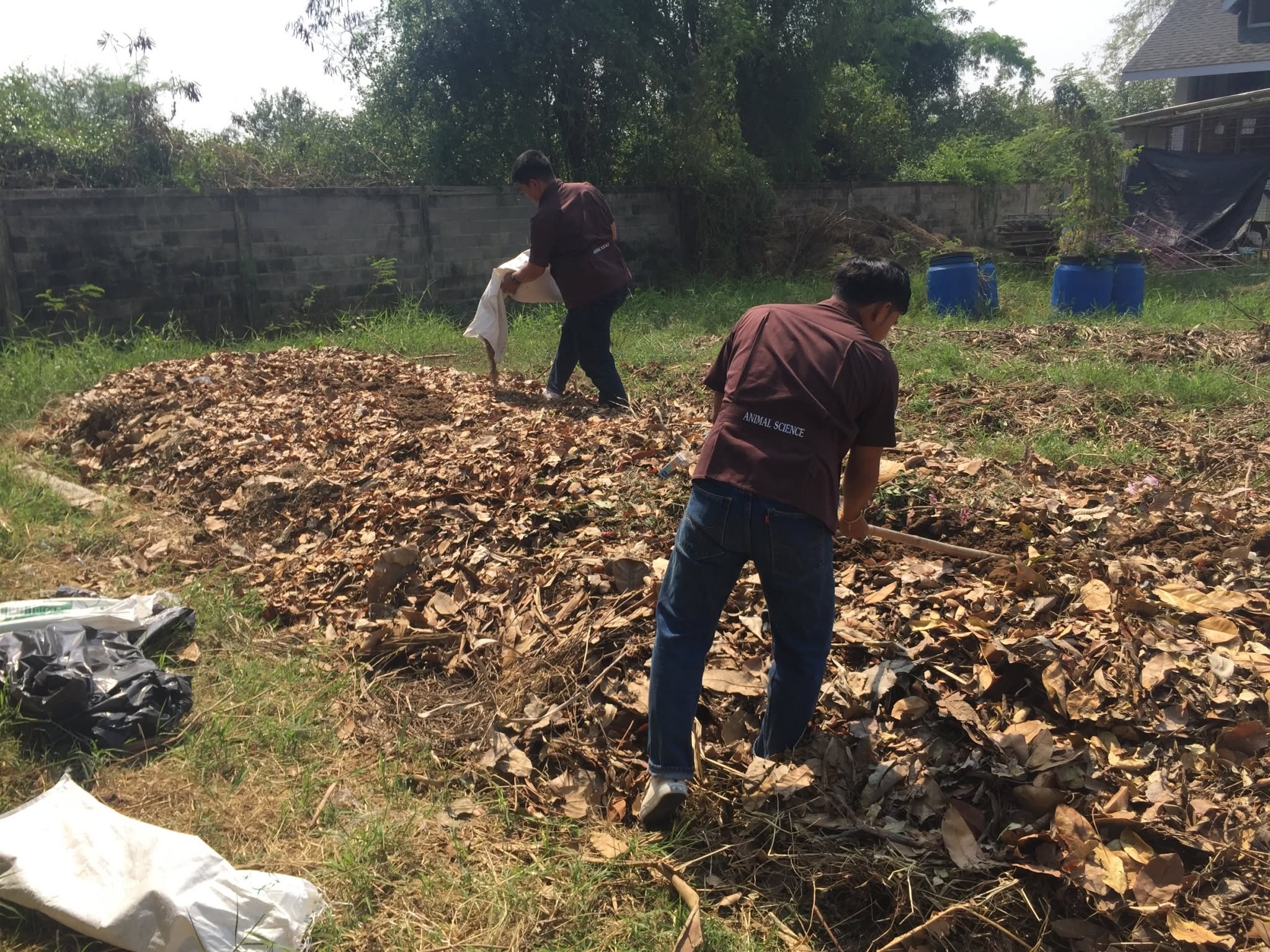
The University therefore promotes and encourages both internal and external personnel, as well as food vendors and other establishments, to properly separate food waste at the source in accordance with the local context. Food waste is then managed through appropriate reuse and recovery practices, such as the production of bio-compost and organic fertilizer, as well as the distribution of food waste to farmers for use as animal feed. These practices help maximize the value of food resources, reduce waste sent for disposal, and support more sustainable resource management.
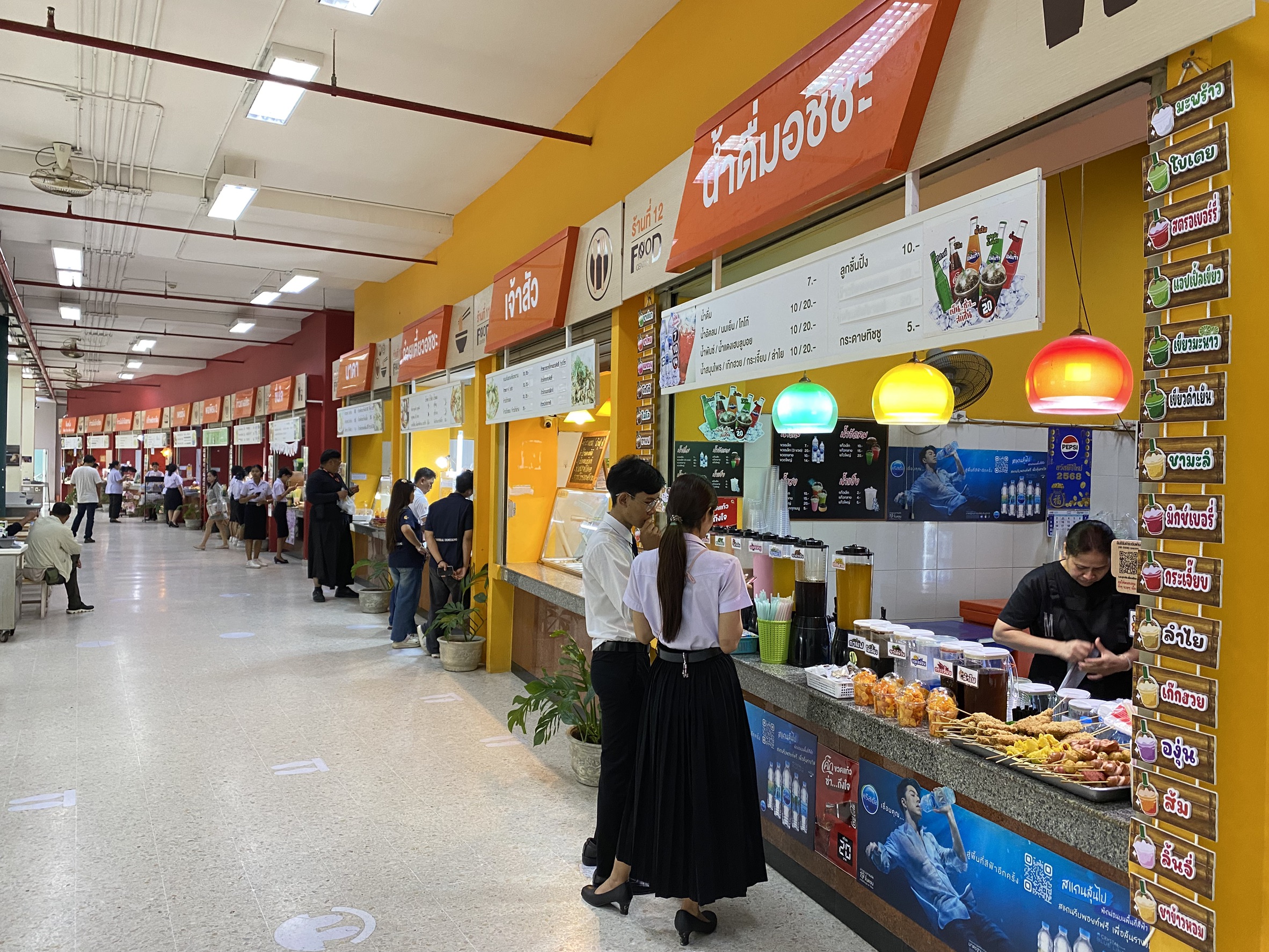
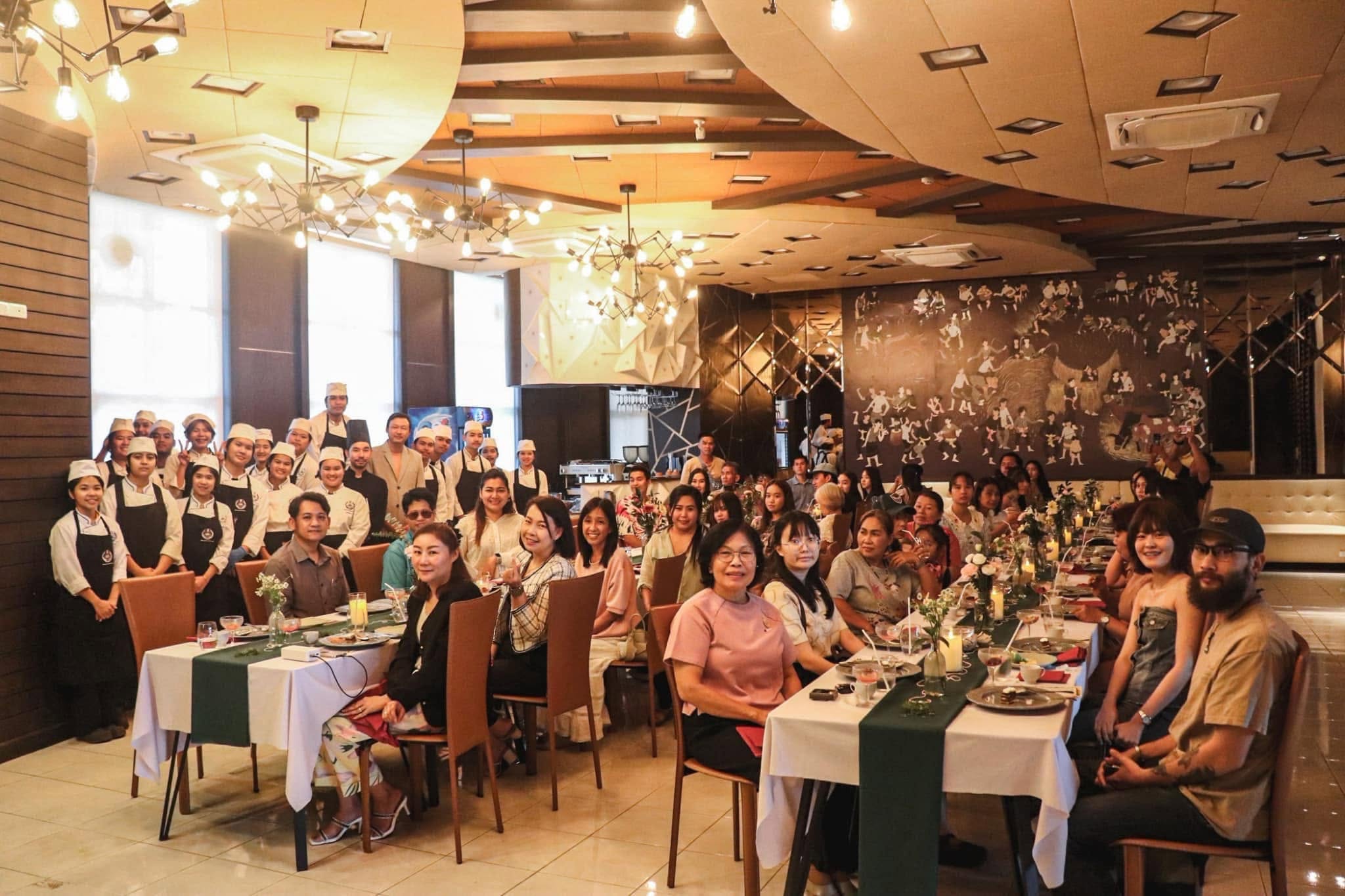
Phetchaburi Rajabhat University provides several food service facilities, including the University Cafeteria, Centennial Kitchen, the Hotel and Tourism Practice Building (The PBRU Heritage), and the Phetchaburi International Culinary School. These facilities provide food services for students, staff, and the general public. The University has implemented a food waste management system to manage surplus food, food scraps, and food waste generated within the University. The system covers unused or leftover ingredients, unsold food, food that does not meet quality standards, and food waste generated from culinary education and training activities. The University aims to reduce food waste through appropriate disposal, reuse and recovery practices, and the donation of food that remains safe for consumption. These practices are aligned with the University’s sustainability goals and contribute to supporting local communities
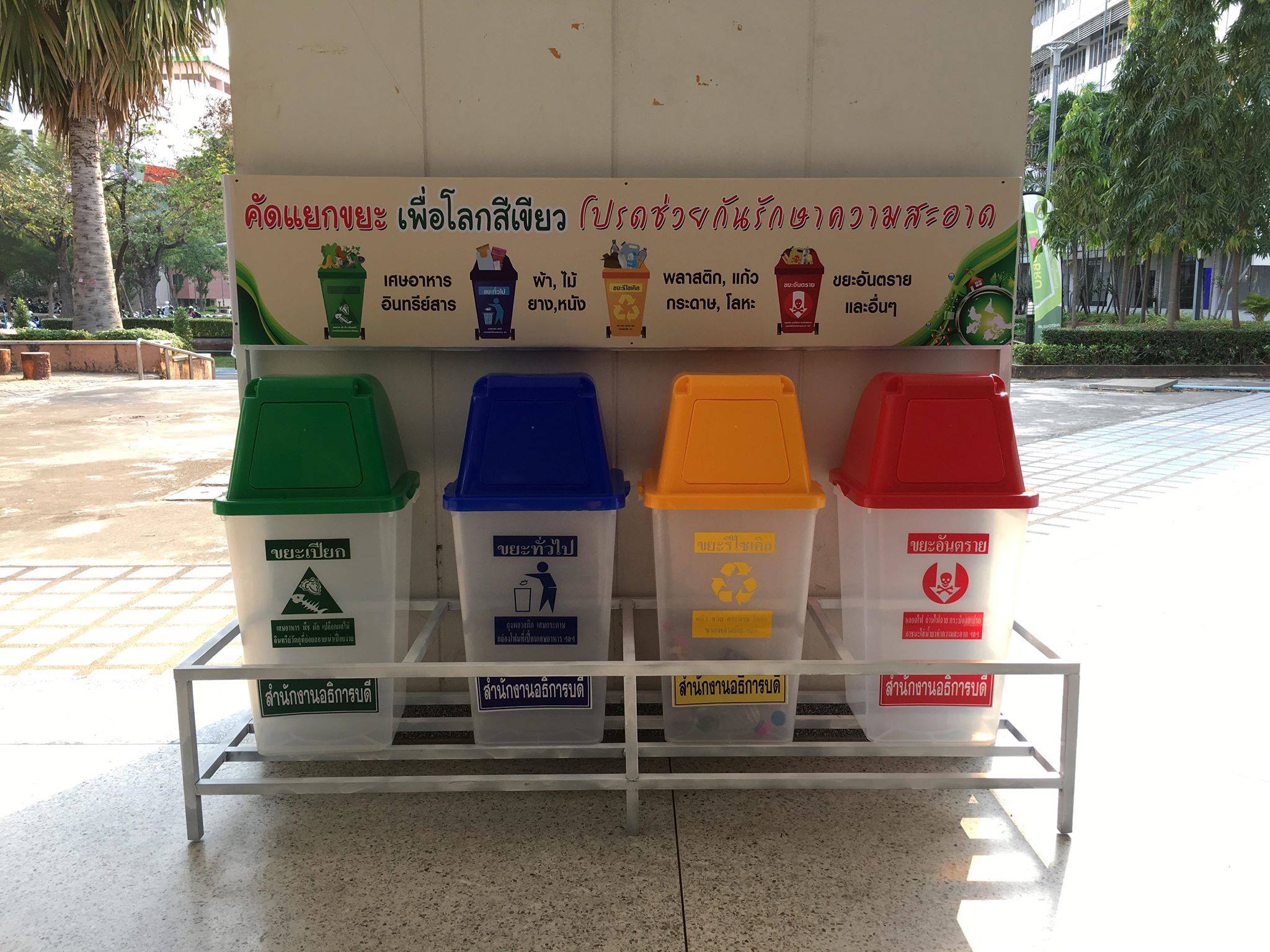
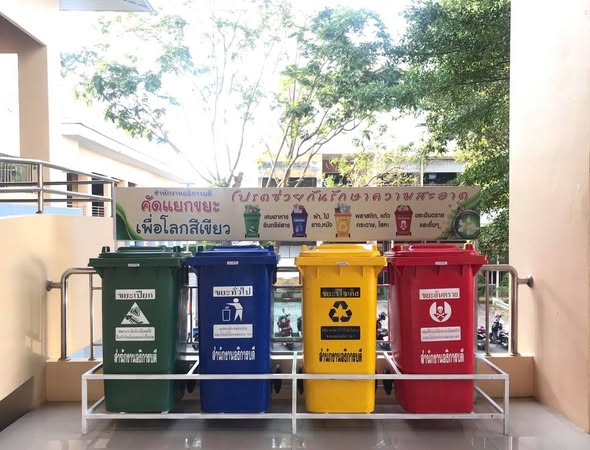
Phetchaburi Rajabhat University has implemented a food waste management system by installing food waste collection bins with a capacity of 60 kilograms at dishwashing areas. In 2025, the University generated a total of 5,265 kilograms of food waste, equivalent to an average of 14.54 kilograms per day. The collected food waste was reused as animal feed, particularly for pigs and fish, thereby reducing food waste sent for disposal and maximizing the use of food resources. In addition, Phetchaburi Rajabhat University has established a waste separation system across the University using color-coded waste bins. The system classifies waste as follows: blue bins for general waste, red bins for hazardous waste, yellow bins for recyclable waste, and green bins for food waste/organic waste. This system aims to foster a sense of responsibility and raise awareness among students and staff regarding proper waste separation practices, contributing to more effective waste management and promoting sustainability across the University.