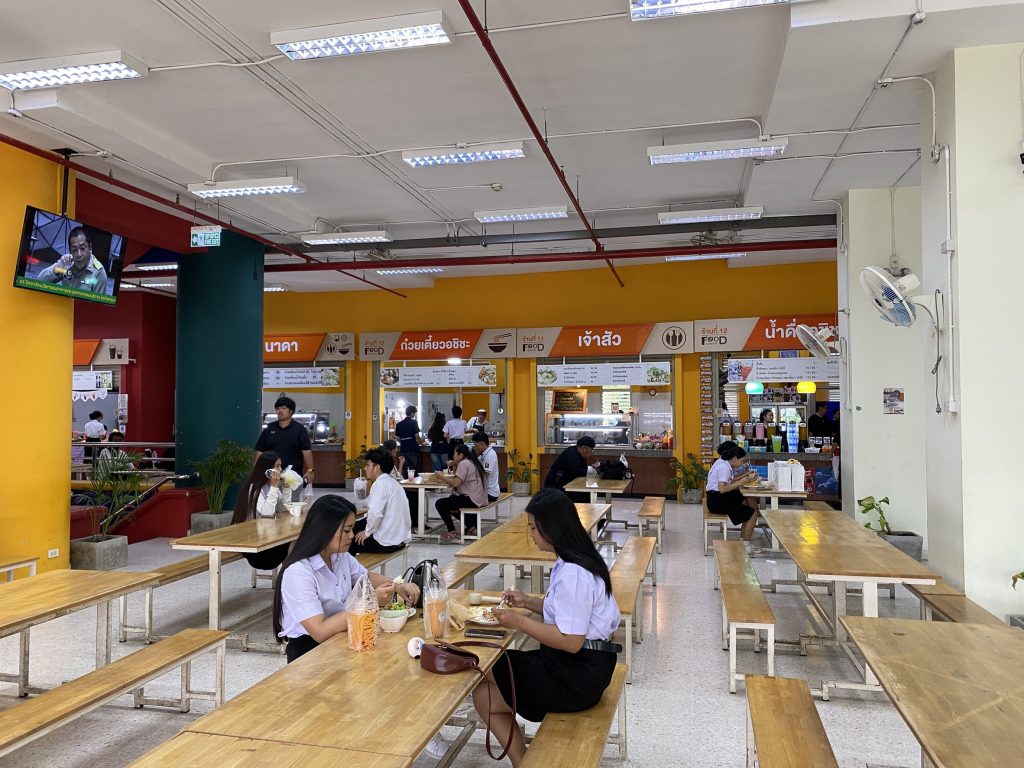
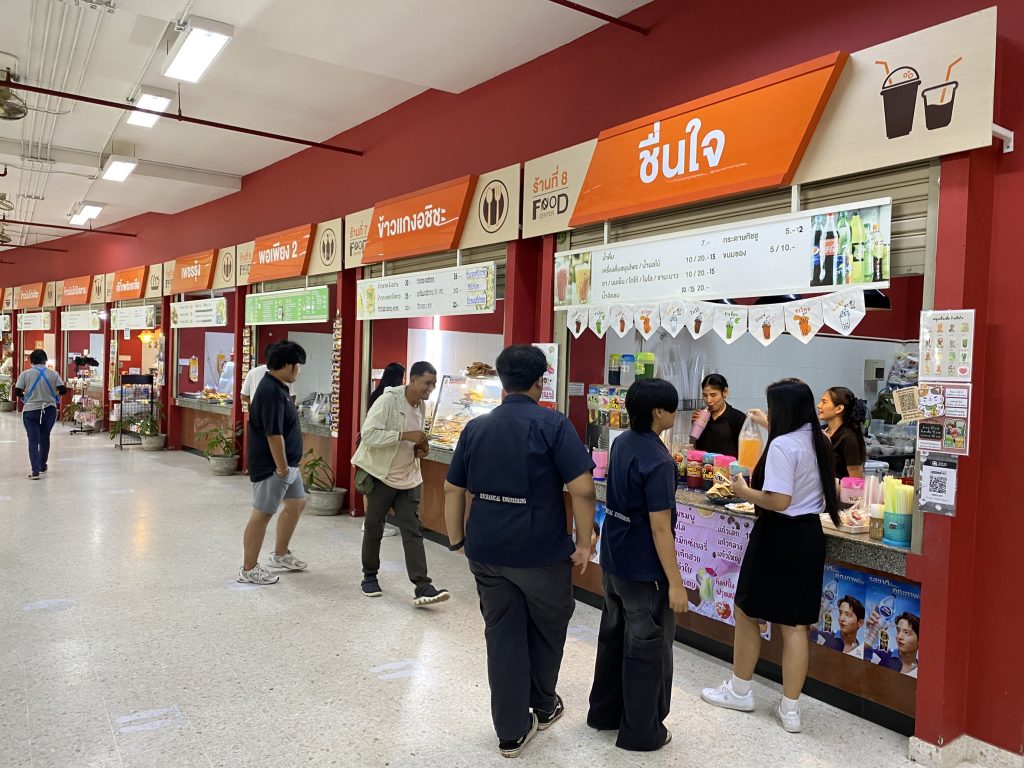
Phetchaburi Rajabhat University provides a diverse range of food services across the campus, enabling students, staff, and other users to choose food according to their individual preferences and needs. The University’s food service locations include the University Food Court, Niwat Samosorn Building, Centennial Kitchen at the Hotel and Tourism Practice Building (The PBRU Heritage), and the Phetchaburi International Culinary School. The University promotes diverse and appropriate food choices that respond to the needs of consumers, including vegetarian food options for individuals who do not consume meat and halal food options for Muslim consumers. These provisions support equitable access to food that is appropriate to different dietary practices, beliefs, preferences, and individual needs.
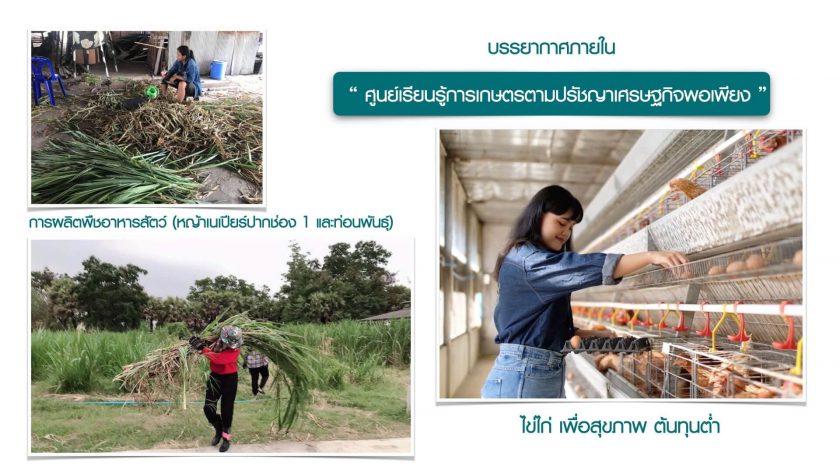
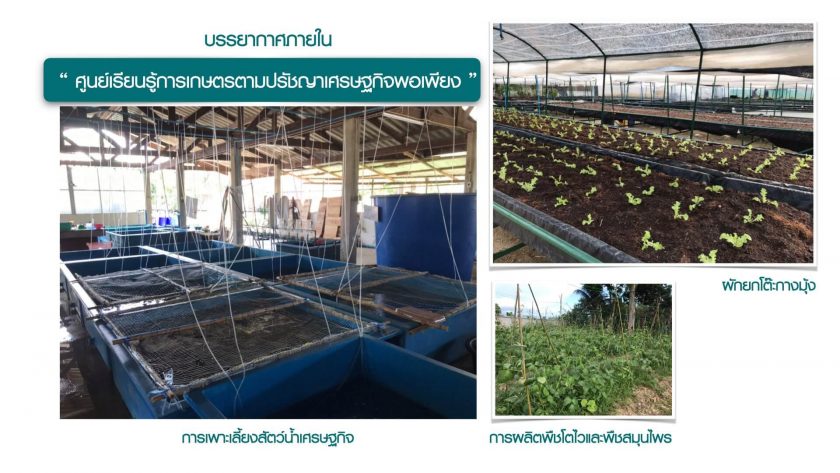
In addition, Phetchaburi Rajabhat University continues to operate the Agricultural Learning Center based on the Sufficiency Economy Philosophy as a learning and food production resource for students, staff, and the general public. The University promotes sustainable agricultural production practices and has also developed a model area for participatory organic crop production under the Participatory Guarantee System (PGS) in accordance with relevant standards. The learning center supports the production of a diverse range of food and agricultural products, including crops such as vegetables, herbs, mushrooms, and fruit trees; fisheries; and livestock such as laying hens, pigs, cattle, and goats. These activities promote food production and the appropriate use of agricultural resources while supporting learning and awareness of sustainable food systems and sustainable agriculture within the University.
The Agricultural Learning Center aims to produce safe food ingredients for food preparation within the University, develop agricultural knowledge and research, and facilitate the transfer of agricultural technologies. The Center also serves as a source of agricultural raw materials and products for the University and farmers in nearby communities. These activities contribute to strengthening the local economy, creating opportunities for local agricultural development, and promoting sustainable livelihoods and ways of living within the community.